
Last updated September 10, 2026
Level 1 sweep and inspection to the NFPA 211 annual standard - flue, crown, cap, and flashing checked and photographed
Chimney sweep logs do not sweep chimneys. They loosen some creosote - which then falls where a brush and vacuum still have to collect it.
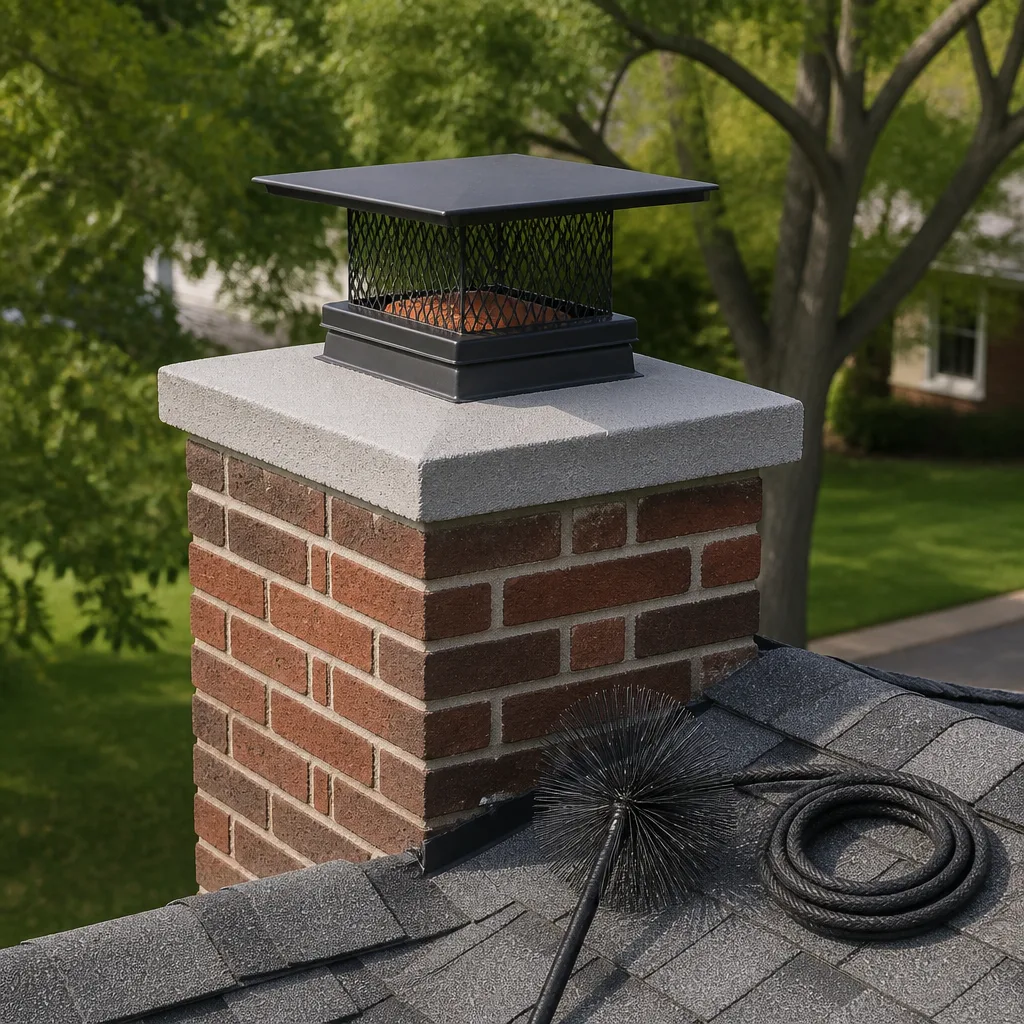
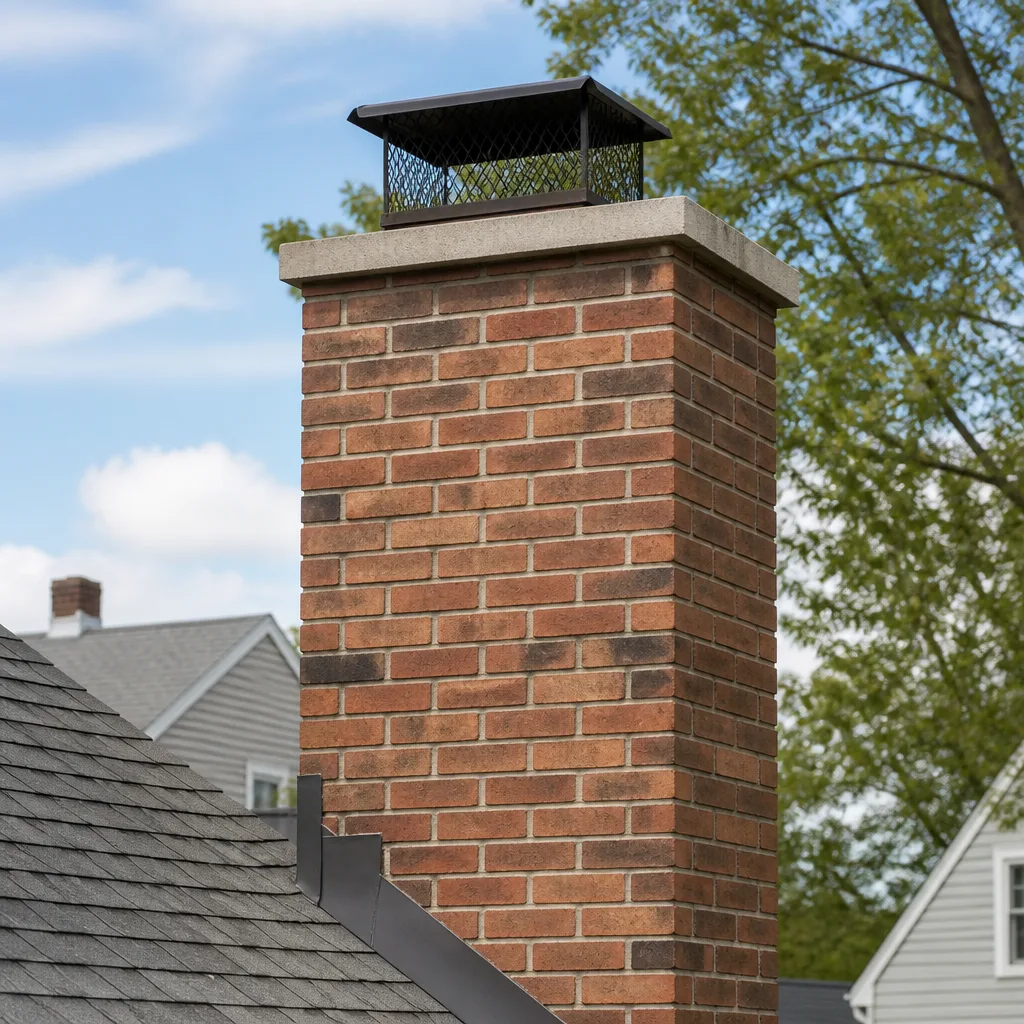
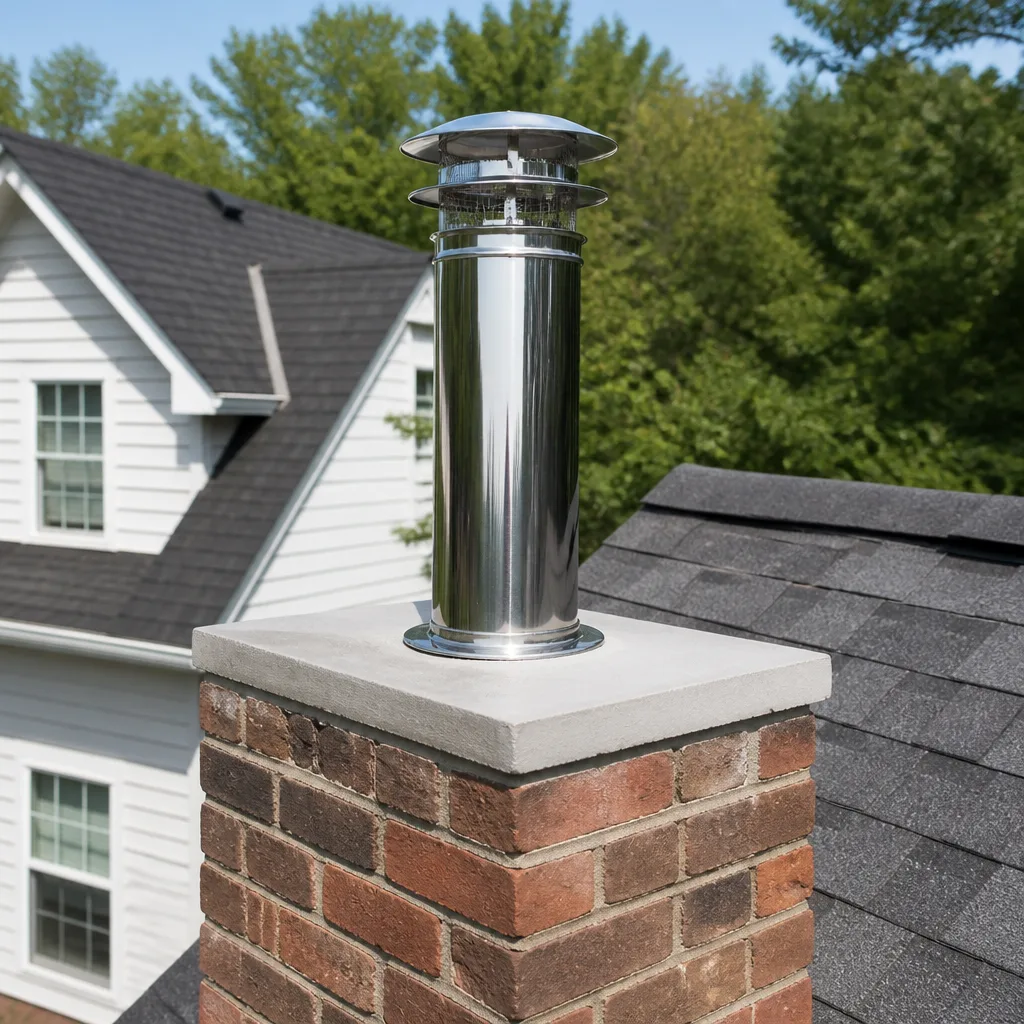
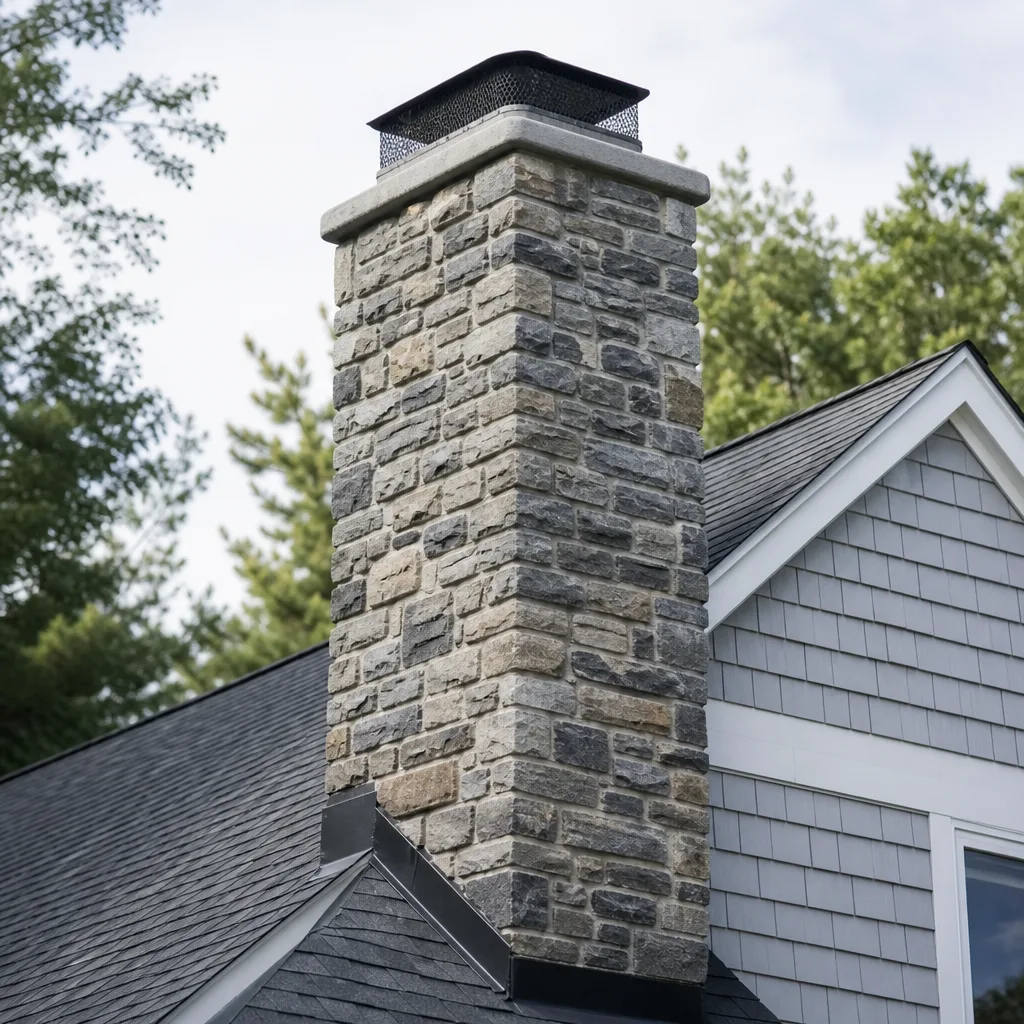
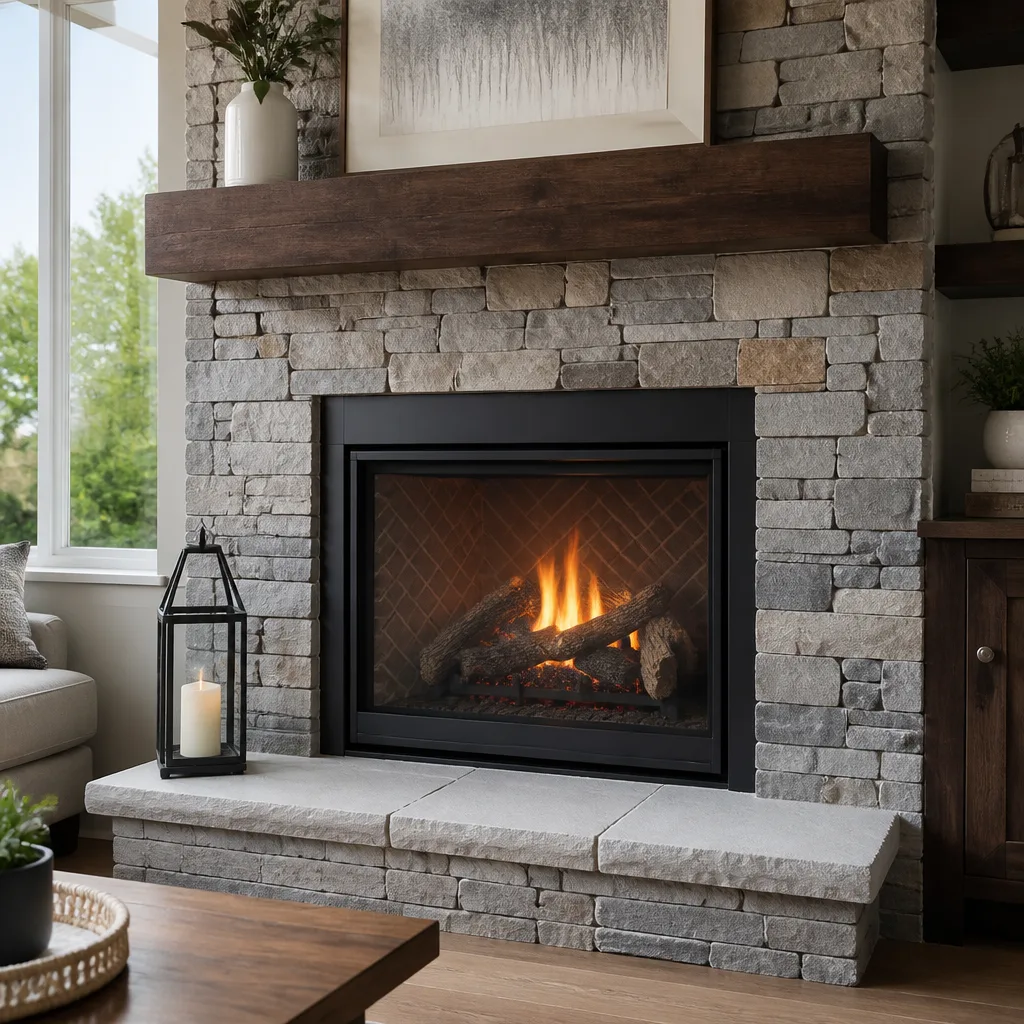
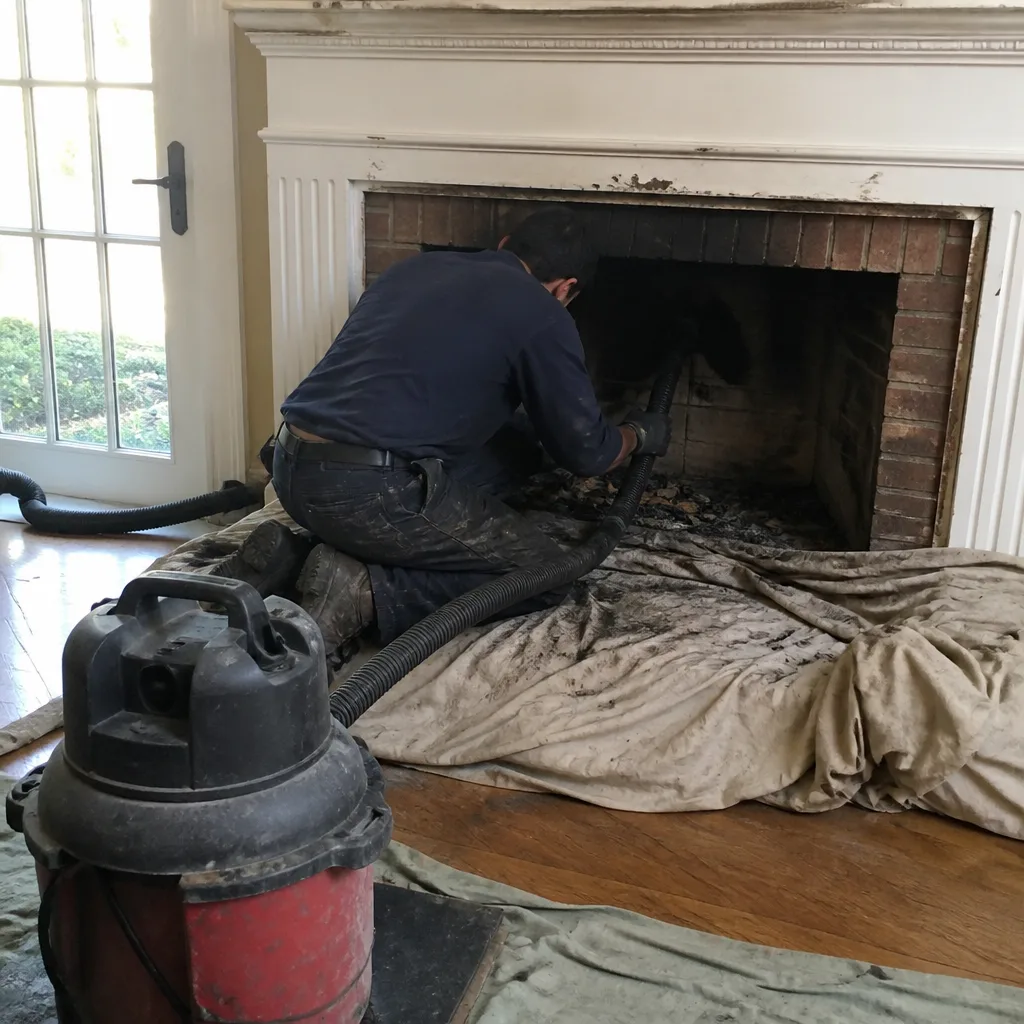 Before
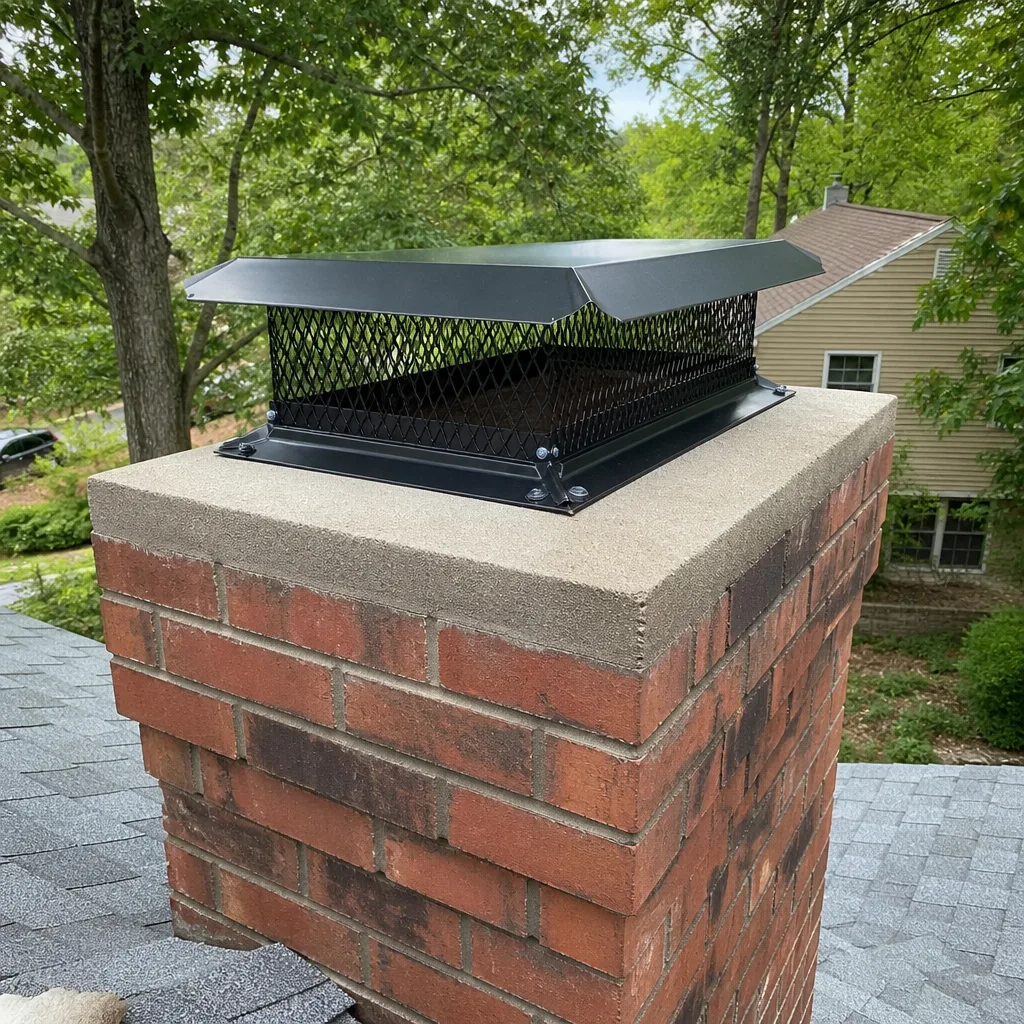 After
After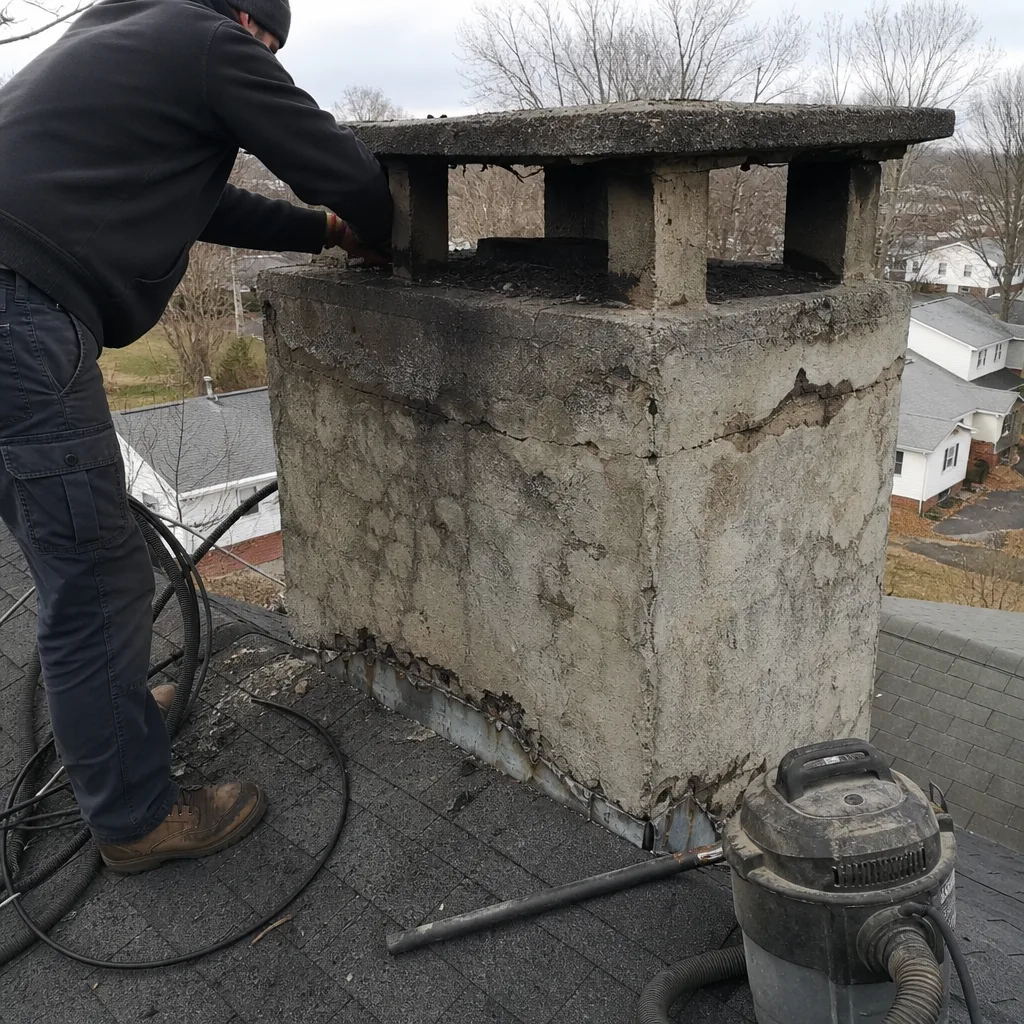 Before
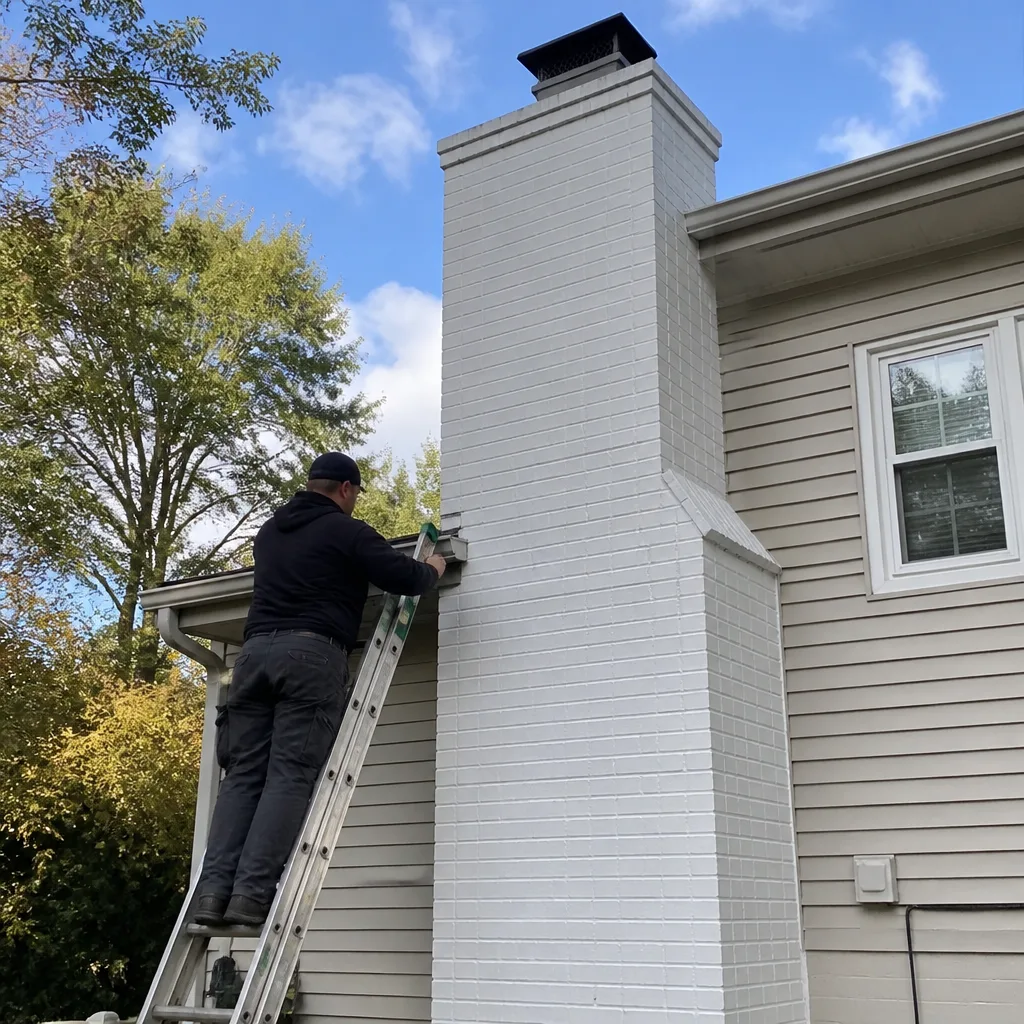 After
After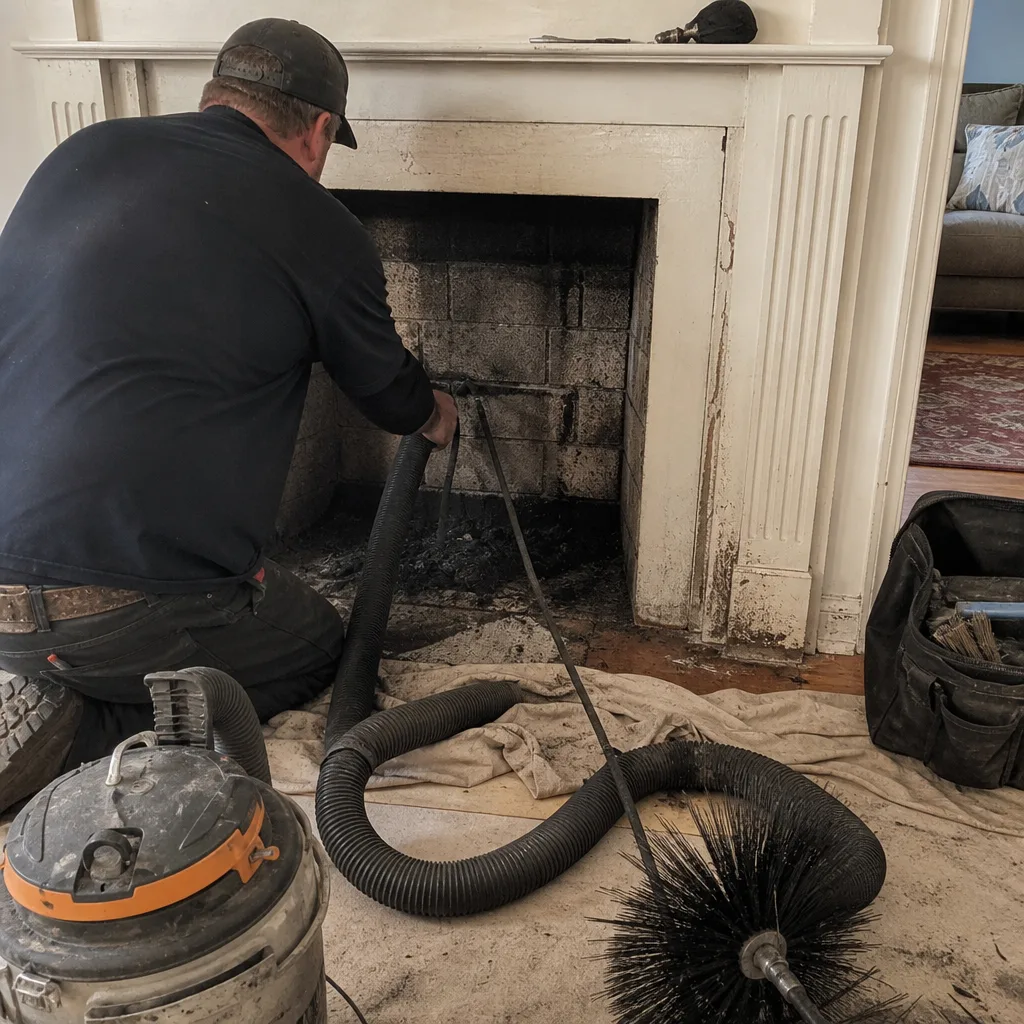 Before
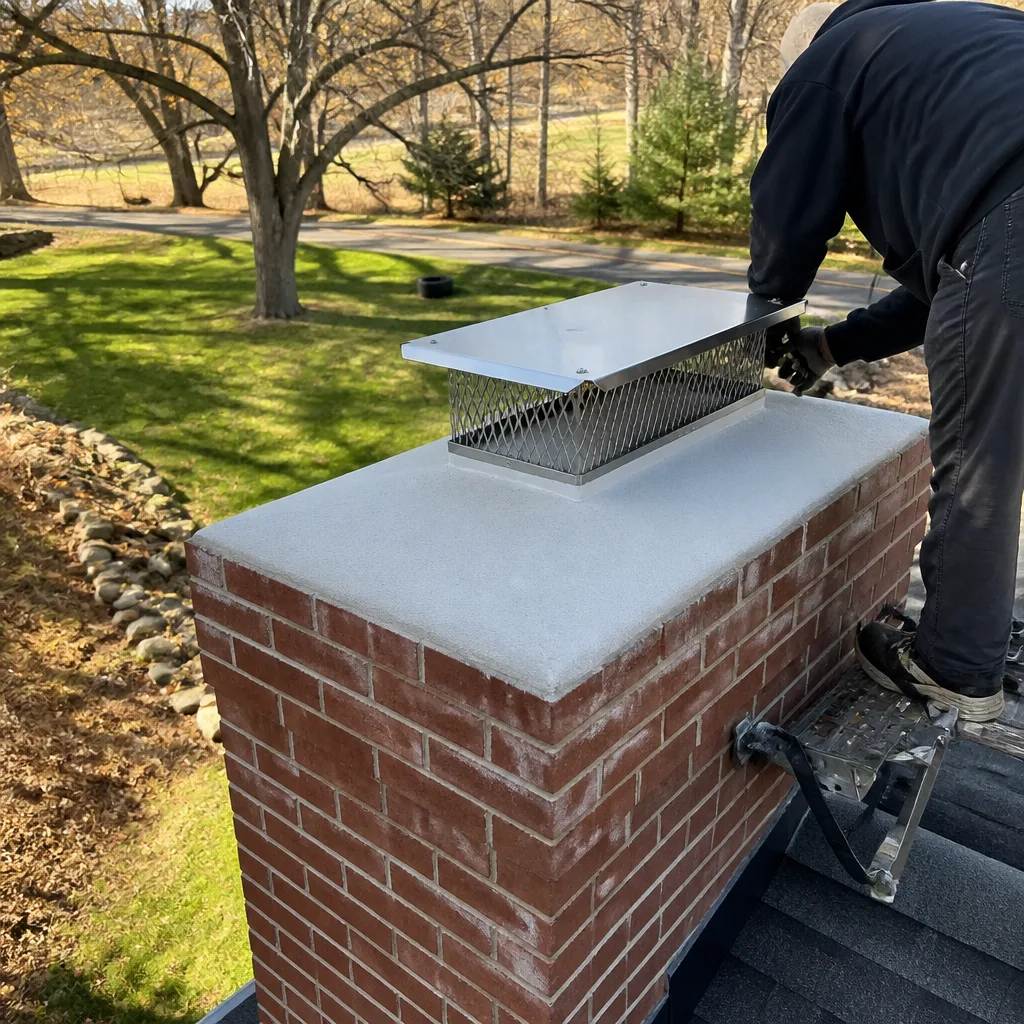 After
AfterDIY vs Professional Chimney Cleaning: The Lynchburg Homeowner’s Decision Guide
Here’s a truth that surprises most homeowners: a $45 brush kit from the hardware store removes creosote about as well as our rods do. The brush doesn’t know who paid for it. But in Lynchburg, where half the housing stock was built before 1960 and many chimneys still run unlined clay tile or no liner at all, the creosote on the walls is rarely the real danger. The crack behind it is. This guide walks you through what a careful DIYer can safely accomplish, what requires professional tools and trained eyes, and how to make the choice that protects your home and your wallet - or see How to Hire a Chimney Cleaning Contractor in Lynchburg: A Step-by-Step Guide if you’re ready to hire a pro.
Quick Answer
DIY chimney cleaning can safely remove light creosote from a sound, lined flue if you have the right tools and follow safety protocols. However, it cannot assess liner condition, detect hidden structural damage, or satisfy the inspection requirements most homeowner insurance policies expect after a chimney fire. For Lynchburg homes built before 1960, professional Chimney Cleaning & Sweep in Lynchburg with a Level-2 camera inspection is the only way to verify the chimney is safe to use, not merely clean.
Table of Contents
- What DIY Chimney Cleaning Can Actually Accomplish
- The Lynchburg Housing Stock Problem: Why Age Matters
- What DIY Cleaning Misses (And Why It Costs More Later)
- Real Cost Comparison: DIY Kit vs. Professional Service
- The Insurance and Liability Gap
- DIY Maintenance Between Professional Visits: The Middle Ground
- Tools, Safety, and When DIY Becomes Dangerous
- When to Call a Professional
What DIY Chimney Cleaning Can Actually Accomplish
A motivated homeowner with patience and the right equipment can handle three tasks competently: brushing a straight, accessible flue, performing a visual check of the firebox and damper, and clearing debris from the smoke shelf area. These are not trivial jobs. Done well, they reduce creosote buildup and improve draft between professional visits.
Here’s what the capable DIYer can realistically do:
- Flue brushing with a poly or wire brush - Match the brush diameter to your flue size. For a standard 8-by-8 clay tile flue common in Lynchburg’s 1940s and 1950s ranch homes, a 7-inch round brush with extension rods works. Run the brush from the top down or bottom up until resistance eases and the brush comes back clean.
- Firebox ash and soot removal - A shop vacuum with a HEPA filter (never a household vacuum) clears loose material. Check firebrick for cracks or spalling while you’re at it.
- Visual cap and crown inspection from ground or roof edge - Look for missing mortar, cracked crown wash, or rusted cap mesh. Do not lean out from a ladder to touch anything.
- Damper operation check - Open, close, and verify it seats fully. A stuck damper wastes heat and can backdraft smoke into the room.
The key limitation: every one of these tasks assumes the chimney structure itself is sound. You cannot verify that assumption from the firebox or with a brush on a rod. In our 42 years of work in Lynchburg, we’ve found cracked flue tiles in chimneys that passed every visual check a homeowner could perform. The crack was behind the tile, or above the smoke shelf, or offset in a way that only a camera traveling the full flue length could reveal.
DIY cleaning is maintenance, not verification. It’s worth doing if you know what you’re looking at. It’s dangerous to trust if you don’t.
The Lynchburg Housing Stock Problem: Why Age Matters
Lynchburg’s neighborhoods tell a story in brick and mortar. The Federal-style homes in Diamond Hill, the Craftsman bungalows in Garland Hill, the postwar ranches spreading into Boonsboro and Wyndhurst - each era built chimneys to different standards, and many built them to no liner standard at all.
Homes constructed before 1940 often have unlined brick chimneys, where the flue gases travel directly against the masonry. Clay tile liners became common from the 1940s through the 1960s, but installation quality varied enormously. Many of these tiles have shifted, cracked from freeze-thaw cycles, or deteriorated from decades of acidic condensation. The 1970s and 1980s saw some stainless steel liners installed, but retrofit work was inconsistent.
This matters for the DIY question because:
- Unlined chimneys accumulate creosote faster and transfer more heat to surrounding framing. You cannot see whether the brick has degraded or whether nearby wood members have pyrolyzed (chemically altered by long-term heat exposure) without a camera inspection.
- Clay tile chimneys crack vertically from thermal shock or settling. A crack can be hairline and invisible from the firebox, yet wide enough to allow sparks and gases into the wall cavity. We’ve pulled tiles in Rivermont homes that looked sound from below but crumbled at the touch above the roofline.
- Offset flues - common in older Lynchburg homes where additions changed rooflines - cannot be brushed effectively with standard rods. The bend traps creosote and requires flexible power sweeping equipment.
The Lynchburg climate amplifies these issues. Our freeze-thaw cycles, sometimes 40 degrees in a single January day, stress masonry. The humidity of summer slows drying and keeps residual creosote acidic. A chimney that looks fine in October can show new damage by March. Age alone doesn’t condemn a chimney, but age without documented inspection is a gamble that the structure is still doing what it was built to do.
What DIY Cleaning Misses (And Why It Costs More Later)
We’ve catalogued what DIY maintenance misses into three categories: hidden structural defects, combustion safety issues, and code compliance gaps. Each can turn a $200 sweep into a $4,000 rebuild - or worse, a house fire that insurance disputes.
Hidden Structural Defects
The flue liner is the chimney’s firewall. When it fails, fire, smoke, and carbon monoxide can enter living spaces. Common failures we find in Lynchburg homes include:
- Vertical cracks in clay tile, often at joints between sections
- Spalling or flaking tile surfaces that reduce flue diameter and accelerate creosote buildup
- Missing mortar between tiles, creating gaps for gas migration
- Deteriorated crown wash that allows water infiltration, accelerating freeze-thaw damage
- Pyrolyzed wood framing adjacent to the chimney chase, discovered only with thermal imaging or thorough physical inspection
None of these are visible from the firebox. A brush rod tells you only that resistance exists, not why.
Combustion Safety Issues
A chimney can be structurally intact yet functionally dangerous. Carbon monoxide leaks typically occur at:
- Disconnected or corroded stovepipe connections
- Improperly sized flues for the appliance being vented
- Blocked or partially obstructed flues from animal nests, collapsed liner sections, or debris
- Negative pressure situations in tightly sealed modern homes that reverse draft
We test draft and perform combustion analysis during professional service. A DIY brush kit has no mechanism to measure whether the chimney is actually venting properly.
Code Compliance Gaps
Lynchburg follows the Virginia Uniform Statewide Building Code, which references NFPA 211 for chimney standards. Key requirements include proper liner sizing, adequate clearance to combustibles, and correct termination height. Many older homes are grandfathered but must meet current standards when modified or after certain damage. A professional inspection documents where your chimney stands relative to code, which matters for insurance, resale, and safety.
The expensive truth: we regularly repair chimneys in Lynchburg where a homeowner cleaned faithfully for years, never knowing the liner had failed. By the time smoke or water damage revealed the problem, the repair required liner replacement with DuraFlex stainless steel or HeatShield cerfractory resurfacing, plus masonry repair, at ten times the cost of annual professional service.
Real Cost Comparison: DIY Kit vs. Professional Service
Cost decisions deserve honest numbers. Here’s what each path actually costs in the Lynchburg market, including the value you receive or forego.
DIY Chimney Cleaning: Itemized Costs
| Item | Typical Cost |
|---|---|
| Flue brush and extension rod set (poly or wire) | $35 - $75 |
| Shop vacuum with HEPA filter (if not owned) | $80 - $150 |
| Drop cloths, protective gear, safety glasses | $25 - $40 |
| Flashlight or headlamp with adequate lumens | $20 - $35 |
| Ladder access to roof (or rental) | $0 - $50 |
| Time investment (learning, setup, cleaning, cleanup) | 3 - 6 hours |
| Total first-year DIY cost | $160 - $350 |
| Annual brush replacement and supplies | $30 - $60 |
The DIY kit produces a cleaner flue. It does not produce documentation, inspection findings, or professional judgment about whether the chimney is safe to use.
Professional Chimney Sweeping in Lynchburg: What’s Included
| Service Component | Typical Lynchburg Range |
|---|---|
| Level-1 visual inspection with standard sweep | $175 - $250 |
| Level-2 camera inspection with full sweep | $250 - $400 |
| Written condition report with photos | Included |
| Combustion safety and draft assessment | Included |
| Code compliance evaluation | Included |
| 90-day warranty on work performed | Included (Hearthstone) |
The Hearthstone Chimney Co. home page details our current seasonal offerings, including the $89 Seasonal Tune-Up for qualifying systems.
Here’s the value comparison most homeowners miss: the professional service includes an inspection worth $150-$250 if purchased separately, plus documentation that protects your insurance position and resale value. The DIY kit includes none of this. When amortized over the typical 3-5 year interval between major repairs, professional annual service costs roughly $50-$80 per year in risk-adjusted terms.
For Lynchburg seniors and veterans, our permanent 5% discount applies to all services. The $50 Off Any Repair Over $250 offer further narrows the gap when issues are found.
The Insurance and Liability Gap
This is where the DIY versus professional question becomes consequential in ways most homeowners don’t anticipate.
After a chimney fire, your insurance adjuster will ask for documentation of maintenance. “I swept it myself every fall” carries no verifiable weight. The adjuster will then investigate whether the fire resulted from a maintenance failure, a structural defect, or an installation error. Without professional inspection records, you bear the burden of proving the fire was not caused by neglected maintenance.
We’ve seen this play out in Lynchburg claims. A homeowner in the Timberlake area suffered a chimney fire in 2019 after years of DIY cleaning. The insurer denied the $18,000 damage claim, citing lack of professional inspection and evidence of long-term creosote accumulation above the area the homeowner could reach. The homeowner had cleaned diligently - but had never documented liner condition or discovered the partially collapsed clay tile that created the creosote trap.
Professional service creates a paper trail: dated inspection report, photos, recommendations, and completed work records. This documentation satisfies most insurance policy language requiring “regular maintenance by a qualified professional.” It also shifts liability assessment toward the service provider if work was performed incorrectly.
More critically, professional inspection often prevents the fire entirely. The crack that would have led to it is found and repaired. Gelco and Copperfield components we install carry manufacturer warranties that require professional installation. DIY repairs void these protections.
The liability gap extends to resale. Virginia disclosure requirements ask about known defects in heating systems. A professional inspection report gives you confidence in your answer. Absent that report, you’re guessing - and guessing wrong can become a lawsuit.
DIY Maintenance Between Professional Visits: The Middle Ground
There is a responsible middle path. Professional annual inspection and sweeping, supplemented by careful homeowner maintenance between visits, gives you the safety verification of professional service plus the cost savings and familiarity of hands-on care.
Here’s how to do it right:
- Clean the firebox after every cord of wood burned - Remove ash to the ash pit or a metal container, leaving a thin bed for insulation. Check firebrick for new cracks while the ash is out.
- Burn only seasoned hardwood - Oak, hickory, and maple at 20% moisture or less. Softwoods and green wood produce creosote faster than any brush schedule can manage. In Lynchburg’s humid summers, wood stored outside needs 18-24 months to season properly.
- Check the damper weekly during burning season - Verify full opening before lighting, full closing after coals are out. A damper that won’t seat wastes money and risks backdraft.
- Inspect the chimney cap from ground level monthly - Look for visible damage, missing mesh, or animal activity. Squirrels and birds are active year-round in Lynchburg’s mature neighborhoods.
- Monitor for performance changes - Smoke spillage, odd odors, reduced draft, or visible exterior staining all signal problems that need professional attention before next year’s scheduled visit.
- Keep records - Date your maintenance, note what you observed, and bring questions to your professional sweep. This makes their inspection more efficient and can reduce cost if you’ve documented a stable condition.
This approach respects what you can do and what you cannot. The firebox is yours to maintain. The flue liner is not. The cap is yours to watch. The crown’s internal condition is not. The boundary is clear: if you cannot see it, touch it, and assess its structural integrity with confidence, it belongs in the professional’s scope.
When you do call for professional service, this maintenance history makes the visit faster and the findings clearer. We spend less time clearing heavy accumulation and more time on the inspection that matters. Some Lynchburg homeowners who maintain well between visits qualify for streamlined service pricing.
Tools, Safety, and When DIY Becomes Dangerous
Certain chimney tasks cross from maintenance into hazard territory. We flag these specifically because we’ve treated injuries and seen near-misses that were avoidable.
Never DIY: High-Risk Tasks
- Roof work beyond visual inspection - Lynchburg’s older homes often have steep pitches, slate or tile surfaces, and deteriorated flashing. Falls from roof edges or through rotted decking are the leading cause of serious injury in amateur chimney work.
- Spring-loaded damper repair or replacement - The tension in these mechanisms can cause hand and finger injuries. Incorrect installation creates fire hazards.
- Any work involving the flue liner - Liner removal, repair, or replacement requires specialized tools and NFPA 211 knowledge. A dropped liner section can damage the chimney structure or injure someone below.
- Crown or masonry repair above grade - Working at height with mortar, proper curing conditions, and structural assessment is not a homeowner task.
- Gas fireplace service - Gas valves, pressure testing, and venting verification require licensed expertise. Carbon monoxide risk from improper gas work is immediate and lethal.
Safety Equipment for Permitted DIY Work
If you perform firebox cleaning and basic flue brushing:
- N95 or P100 respirator, not a dust mask - creosote particles are carcinogenic
- Safety glasses that seal against the face
- Long sleeves and gloves you can discard - creosote stains permanently
- Drop cloths that protect flooring from abrasive soot
- Proper ladder setup if roof access is needed - three points of contact, level footing, never overreach
The respirator matters more than most homeowners realize. Creosote exposure without protection is cumulative. We’ve seen longtime DIYers develop chronic respiratory irritation that professional sweeps avoid through proper equipment and work practices.
When in doubt, stop. The cost of a professional call is trivial against the cost of an emergency room visit or a house fire. Our phones are answered by a live person 24 hours a day, 7 days a week, including evenings and weekends, because chimney concerns don’t follow business hours.
When to Call a Professional
Call for professional service before burning season begins if any of these apply: your home was built before 1960 and has never had a Level-2 camera inspection; you’ve noticed smoke spillage, draft problems, or unusual odors; you’re new to the home and have no maintenance records from prior owners; you’ve experienced a chimney fire, even a small one; you’re installing a new appliance or changing fuel types; or your insurance policy requires professional inspection documentation.
Call immediately if you see exterior masonry cracks, loose or missing bricks, water staining on interior walls near the chimney, or if your carbon monoxide detector alarms. These are not wait-and-see conditions.
Hearthstone Chimney Co. offers free estimates in Lynchburg. Call (540) 328-6986. We’ll schedule a visit, perform a Level-2 camera inspection with photos you can see, and give you a plain-English verdict on what your chimney needs, what can wait, and what you can safely handle yourself. No pressure, no surprises on the bill - just the thing done correctly. For more guides & resources, visit our blog.
Common Mistakes to Avoid
- Assuming a clean flue means a safe chimney - Creosote removal is only one-third of the task. The liner, crown, and clearance to combustibles matter more. We’ve swept chimneys in Lynchburg that passed the white-glove test but had cracked liners that made them unsafe to use.
- Using a household vacuum for ash and soot - Standard vacuums lack the filtration to contain fine particulates and can disperse creosote dust throughout your home. The hot embers that survive overnight can also melt vacuum components or ignite debris.
- Brushing from the bottom only - This pushes debris onto the smoke shelf, where it accumulates and can ignite. Proper technique requires top-down brushing or thorough smoke shelf cleaning afterward, which most DIYers skip.
- Ignoring the Lynchburg freeze-thaw cycle - Water infiltration through a cracked crown accelerates damage dramatically. A chimney that looks fine in October can deteriorate significantly by March. Annual inspection catches this progression before repair costs escalate.
- Buying the wrong brush size - An undersized brush fails to contact flue walls; an oversized one can damage clay tile. Measure your flue before purchasing, or accept that professional sweeps carry twelve brush sizes for a reason.
- Skipping the damper check - A damper that doesn’t fully open restricts draft and increases creosote formation. A damper that doesn’t fully close wastes heating dollars year-round. This two-minute check saves more than most DIY tasks.
- Waiting for visible problems - By the time you see staining, smell smoke, or notice draft issues, damage is usually advanced. The purpose of professional inspection is finding problems before they announce themselves.
Frequently Asked Questions
A standard Level-1 chimney sweep with visual inspection in Lynchburg typically runs $175 to $250, while a Level-2 inspection with camera and full documentation ranges from $250 to $400. The exact price depends on chimney accessibility, number of flues, and the condition we find. Hearthstone offers an $89 Seasonal Tune-Up for qualifying systems, and seniors and veterans receive a permanent 5% discount. Call (540) 328-6986 for an exact quote - estimates are free.
You need a new liner if your existing liner is cracked, deteriorated, improperly sized for your appliance, or absent entirely - conditions we verify with camera inspection, not guesswork. Many Lynchburg homes built before 1960 have unlined chimneys or clay tile that has failed with age. A stainless steel DuraFlex liner or HeatShield cerfractory resurfacing restores safety and often improves draft efficiency. We show you the camera footage and explain exactly what we found before recommending any work.
The National Fire Protection Association recommends annual inspection, with sweeping as needed based on creosote accumulation. Most Lynchburg homeowners who burn regularly need sweeping every year or every cord of wood, whichever comes first. Occasional users may stretch to every two years if inspection shows minimal buildup. Our humid summers and temperature swings mean chimneys here don’t dry as thoroughly as in drier climates, so we tend to see more rapid creosote formation than national averages suggest.
Skipped maintenance leads to creosote accumulation, which increases chimney fire risk and reduces draft efficiency. In Lynchburg’s older housing stock, it also means undetected liner deterioration, water infiltration through cracked crowns, and potential carbon monoxide leakage. The cost progression is predictable: a $200 sweep skipped becomes a $800 repair, which becomes a $3,000 liner replacement, which becomes a $15,000 rebuild after a fire or structural failure. Insurance may not cover damage from neglected maintenance.
Yes, and some of our Lynchburg customers do exactly this. Clean the firebox and flue carefully, then call us for the Level-2 camera inspection that verifies structural condition. This saves us time on the sweep and lets us focus entirely on inspection. You’ll still receive our written report with photos and recommendations. The key is having us perform the inspection before you assume the chimney is safe - cleaning does not substitute for verification.
A Level-1 inspection is a visual examination of readily accessible portions of the chimney exterior, interior, and connecting appliance, performed without special tools. A Level-2 inspection includes everything in Level-1 plus camera examination of the flue interior, attic and crawl space access for clearance checks, and evaluation of the chimney’s structural integrity. For Lynchburg homes built before 1960, or any home with a change of appliance, fuel type, or ownership, NFPA 211 recommends Level-2. We perform Level-2 as our standard because it catches what Level-1 cannot see.
Yes. Gas fireplaces require annual inspection of the burner, pilot assembly, venting system, and carbon monoxide production. The glass, gaskets, and safety controls need checking. Vent-free units demand particular attention to room air supply and oxygen depletion sensors. Fireplace Services in Lynchburg from Hearthstone include gas system inspection and adjustment. DIY gas work is dangerous and often violates manufacturer warranty terms.
Signs of a previous chimney fire include puffy or honeycombed creosote deposits, discolored or distorted rain cap or chimney cover, cracked or missing flue tiles, heat damage to TV antennas or satellite dishes mounted near the chimney, and smoke or creosote odor from the fireplace when not in use. If you suspect a chimney fire, even a small one, schedule professional inspection before using the fireplace again. Hidden thermal damage to framing and liner can make the next fire catastrophic.
The Bottom Line
DIY chimney cleaning has its place. A careful homeowner can maintain the firebox, brush a sound flue, and monitor for visible changes between professional visits. But in Lynchburg, where chimneys average sixty to a hundred years old and many lack proper liners, cleaning without inspection is like changing your oil without checking whether the engine has a cracked block. The brush removes what you can see. The camera finds what matters.
Professional service from Hearthstone Chimney Co. gives you documented safety verification, not merely cleanliness. Our Level-2 inspections end with photos you can see and a plain-English verdict. Our 90-Day Done Right Promise means if it’s not right, we make it right - in writing, no arguing. We’ve served Lynchburg and surrounding communities for over 42 years, and we plan to be here when your grandchildren own the home.
The practical path for most Lynchburg homeowners: maintain carefully between visits, schedule professional inspection and sweeping annually, and call immediately when performance changes or damage appears. Done right - and we stand behind it.
Written by Russell Haines, Owner at Hearthstone Chimney Co., serving Lynchburg since 2014.