
Last updated September 10, 2026
Level 1 sweep and inspection to the NFPA 211 annual standard - flue, crown, cap, and flashing checked and photographed
Chimney sweep logs do not sweep chimneys. They loosen some creosote - which then falls where a brush and vacuum still have to collect it.
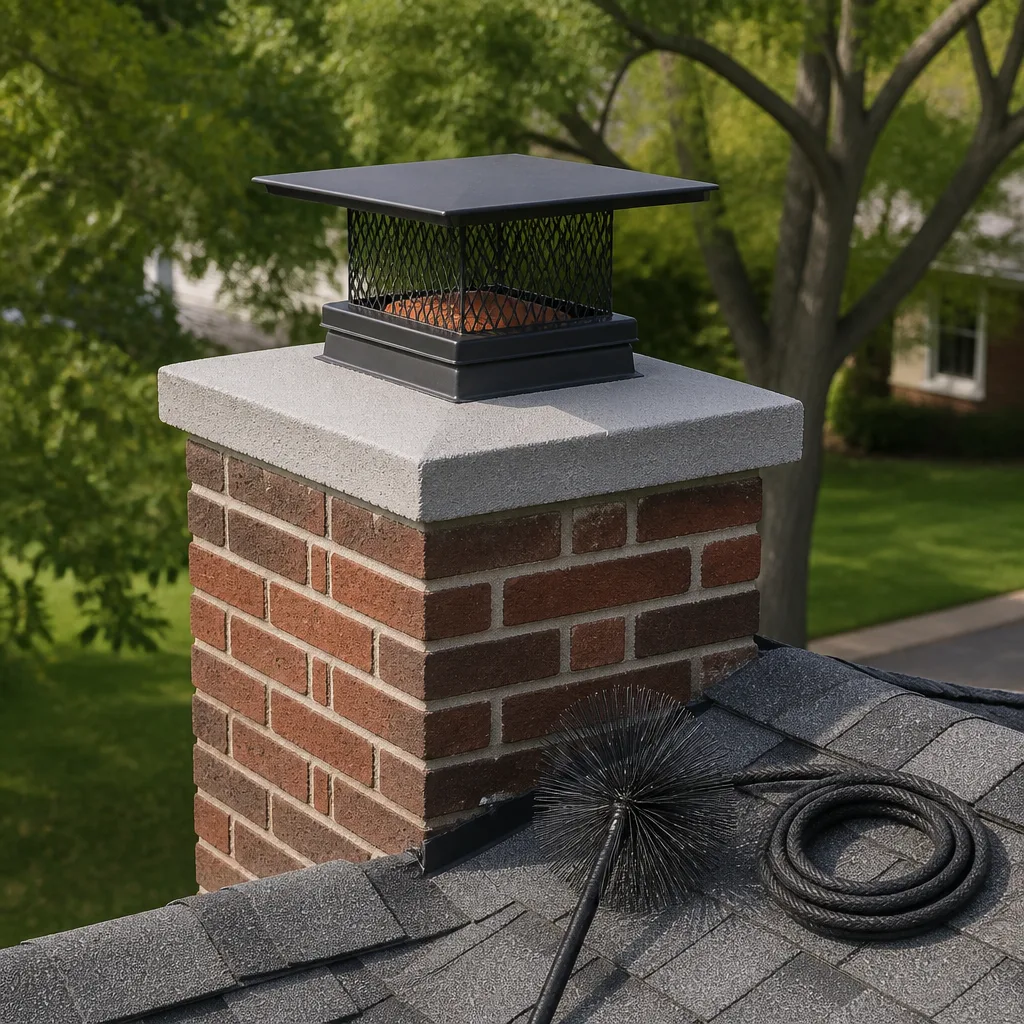
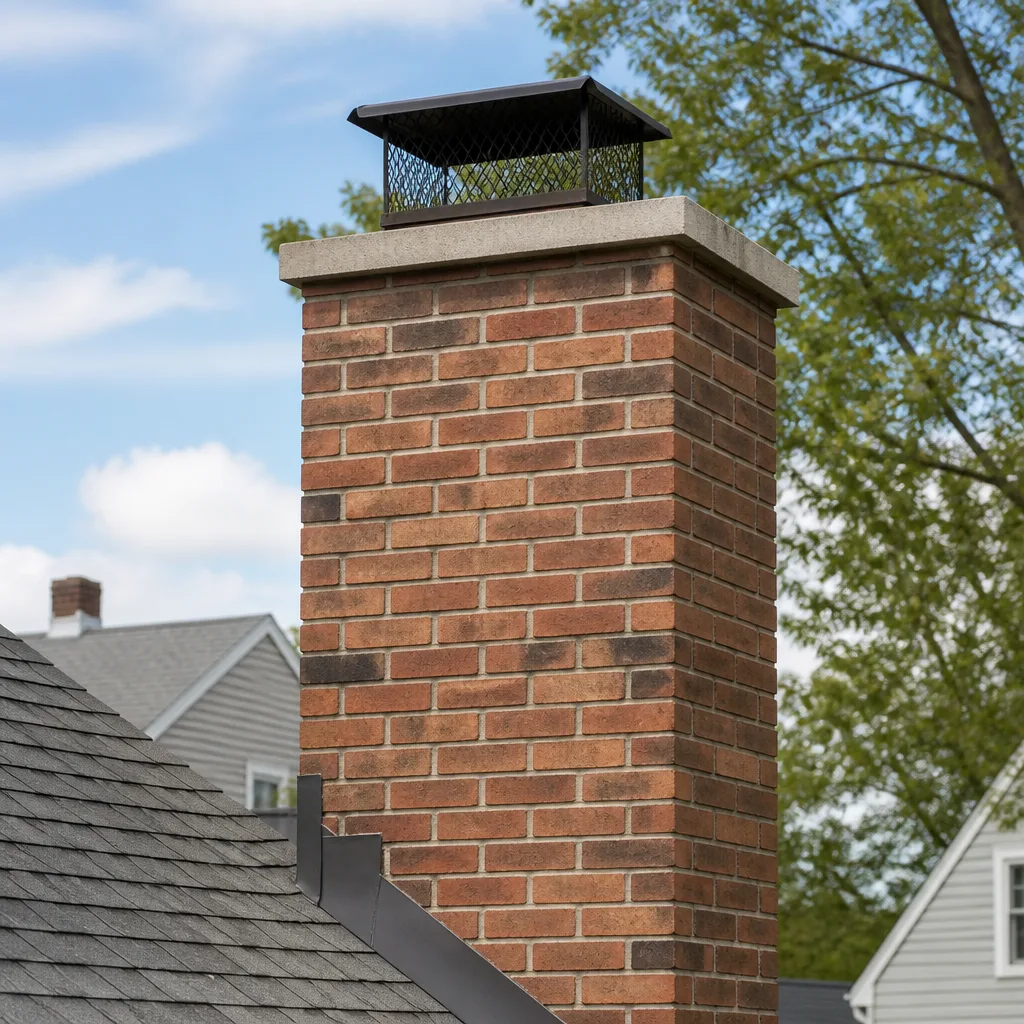
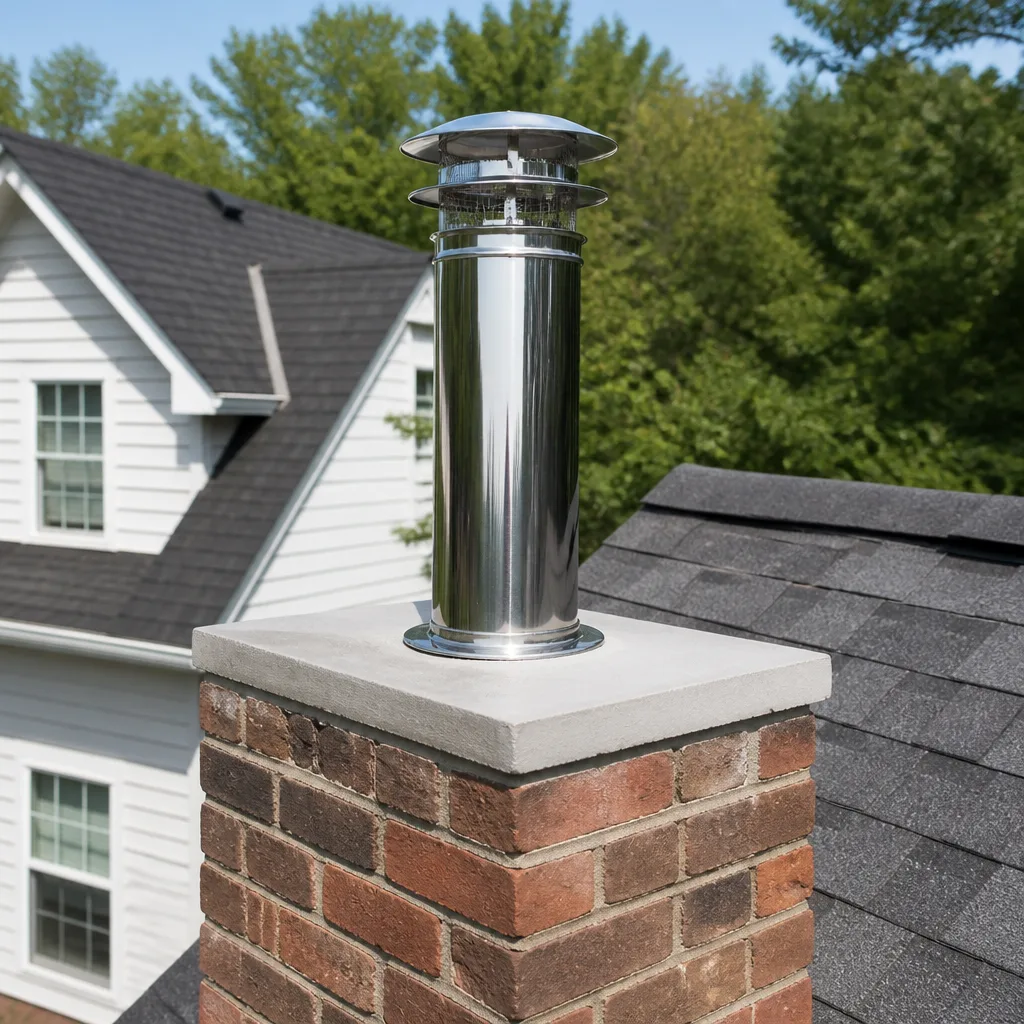
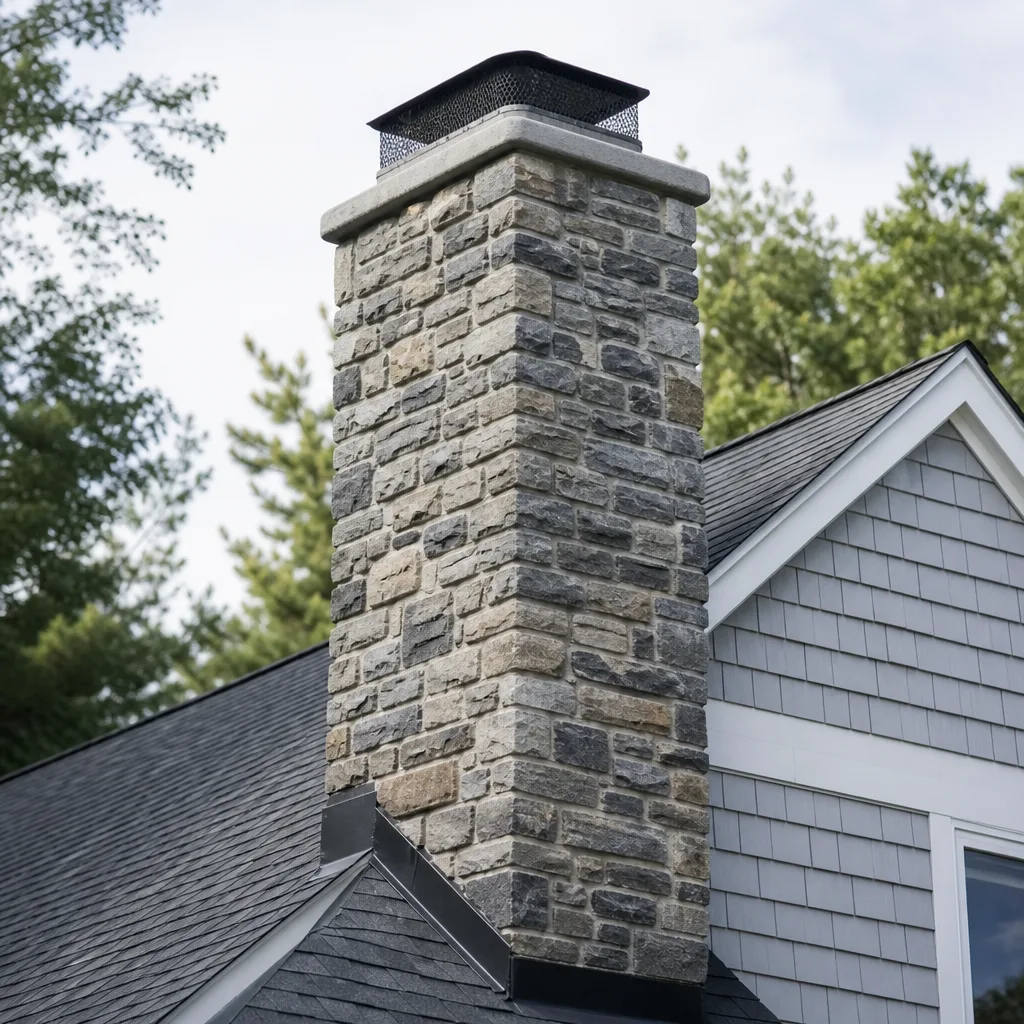
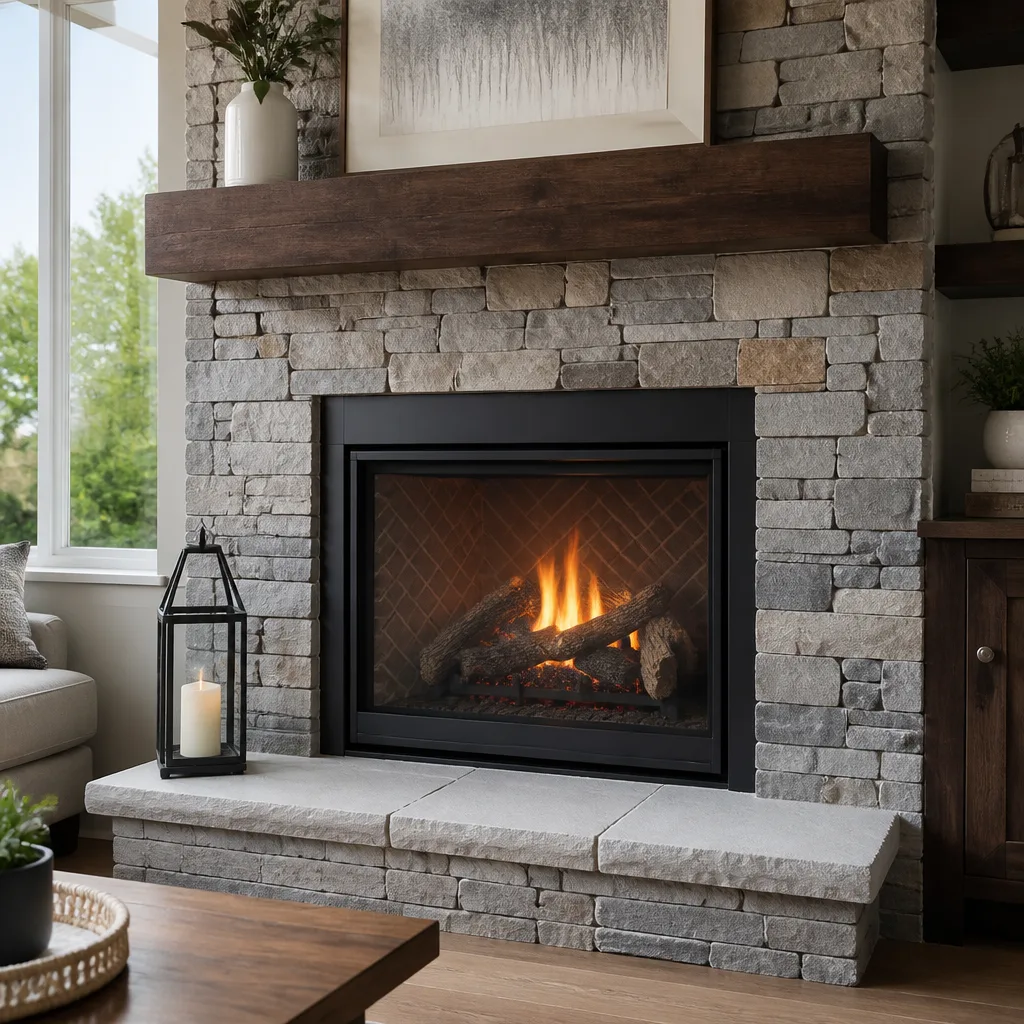
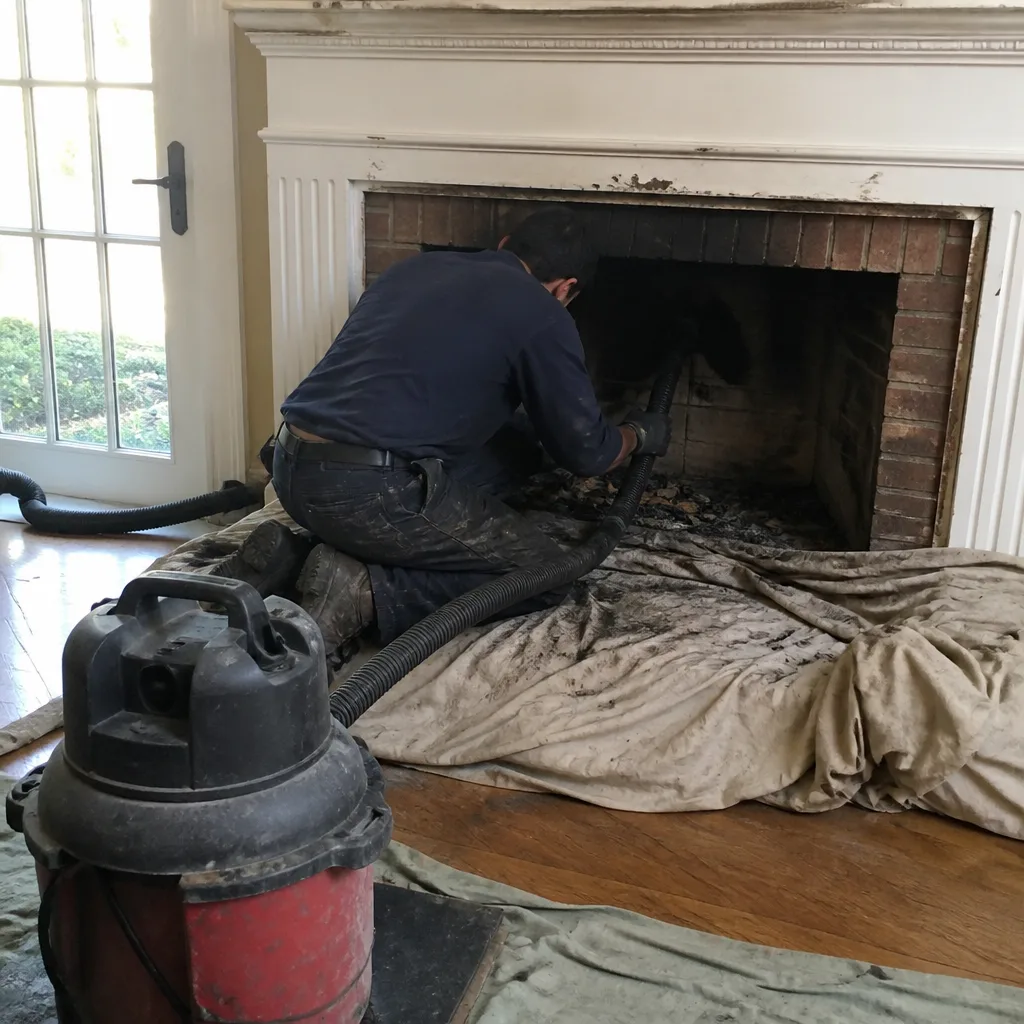 Before
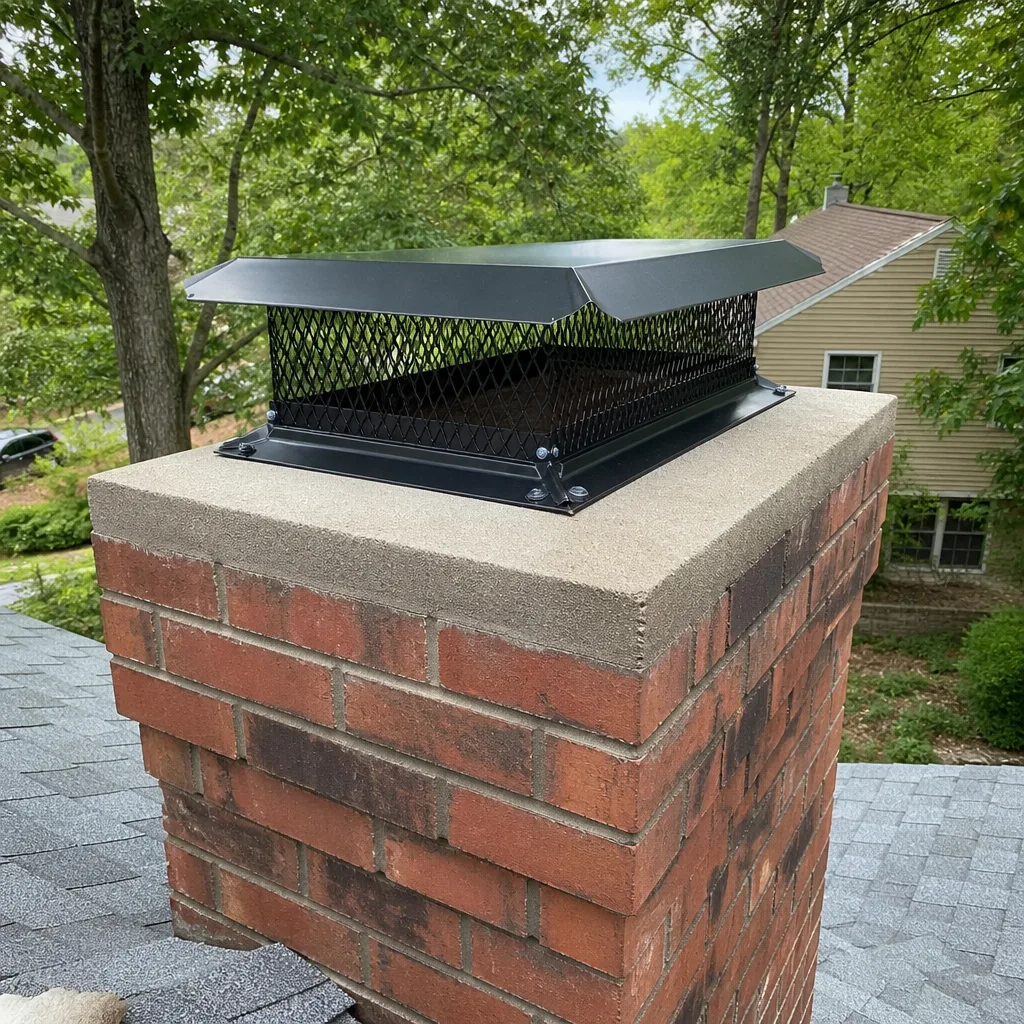 After
After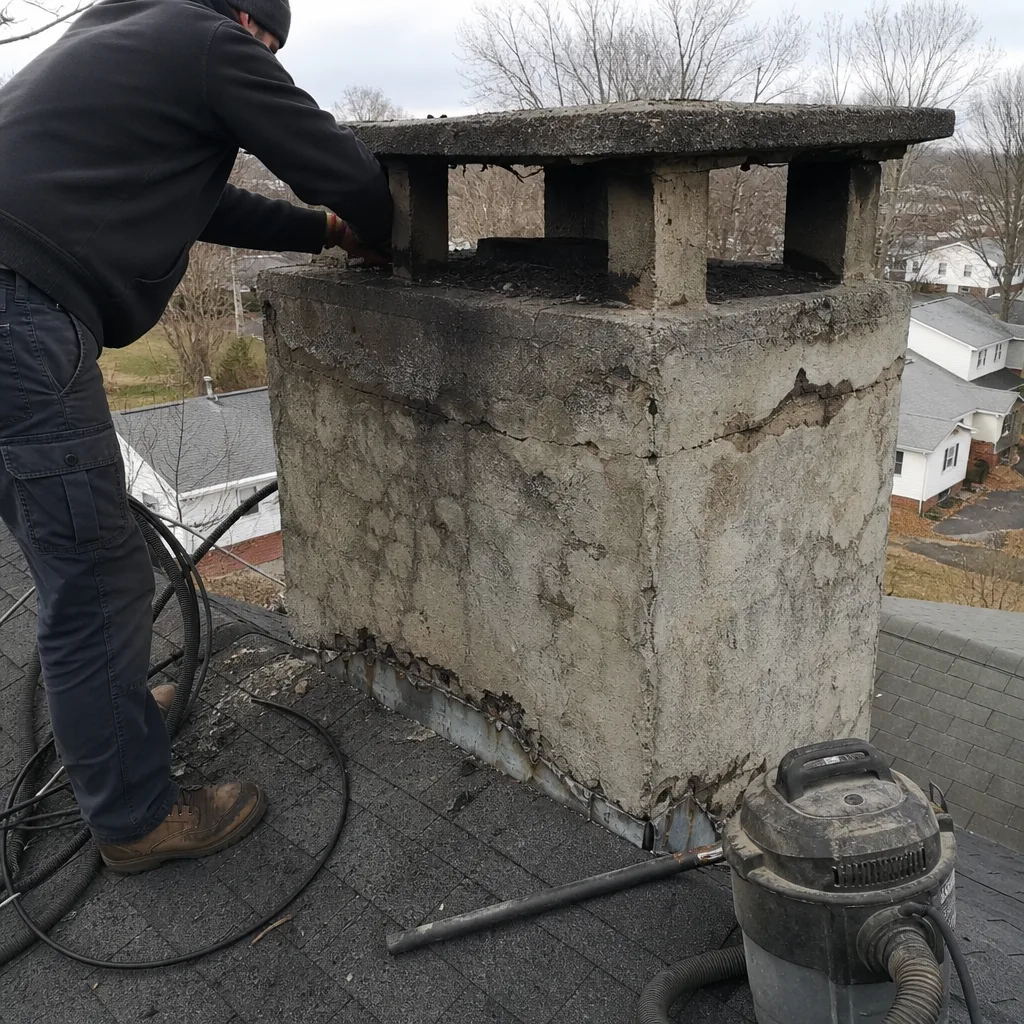 Before
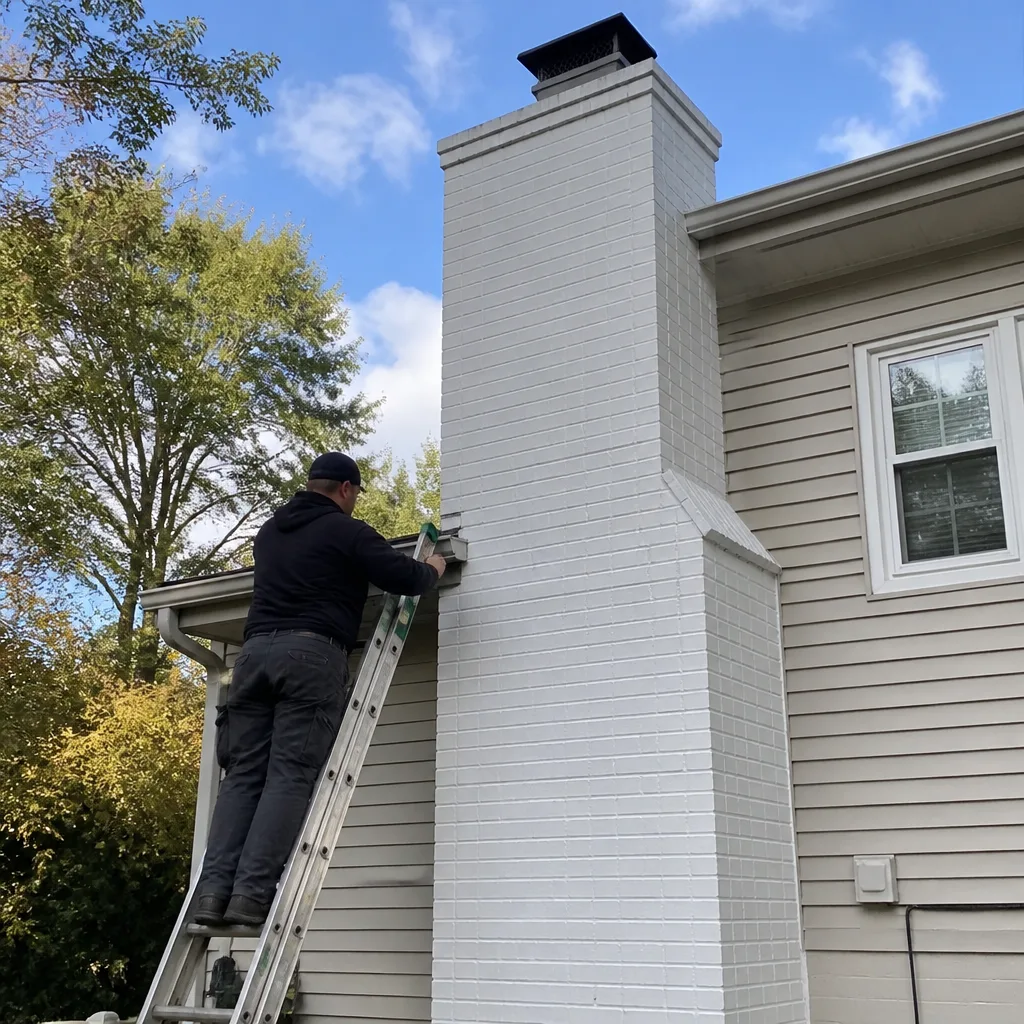 After
After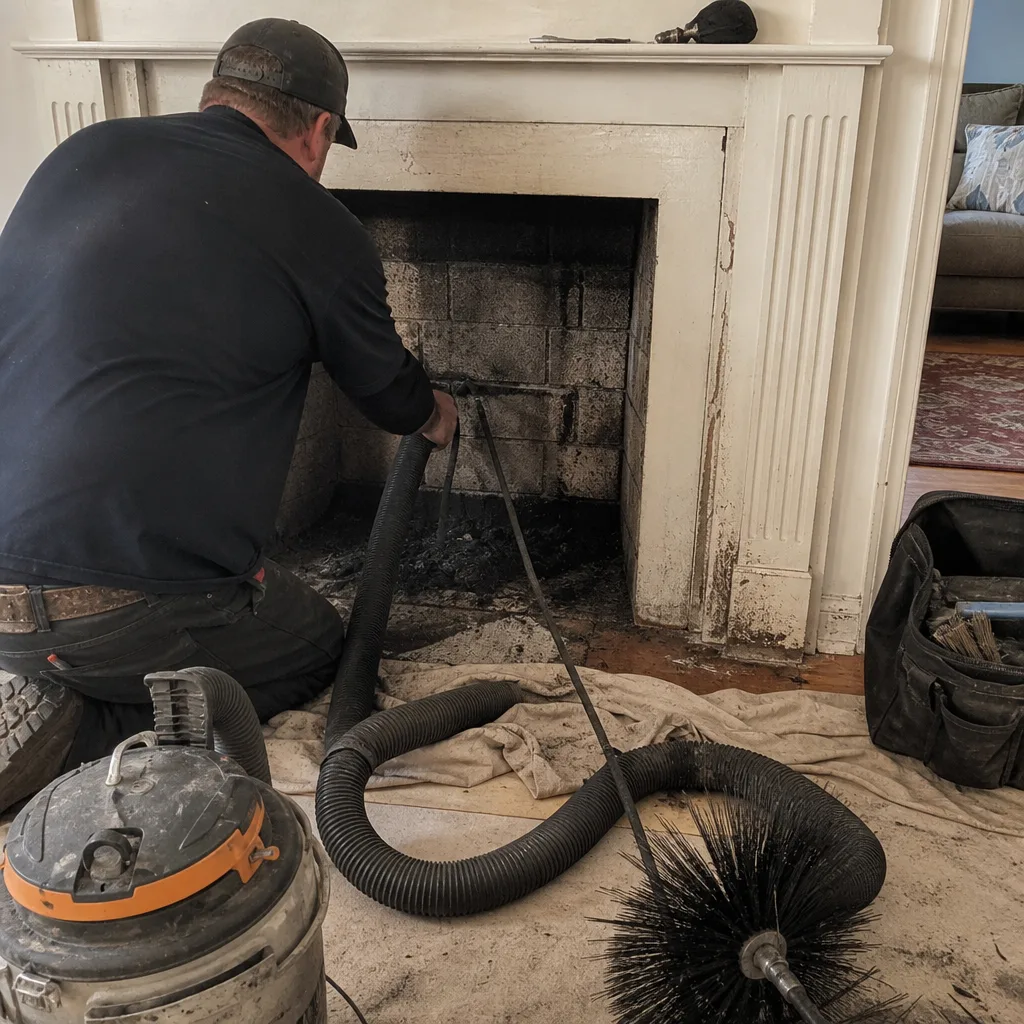 Before
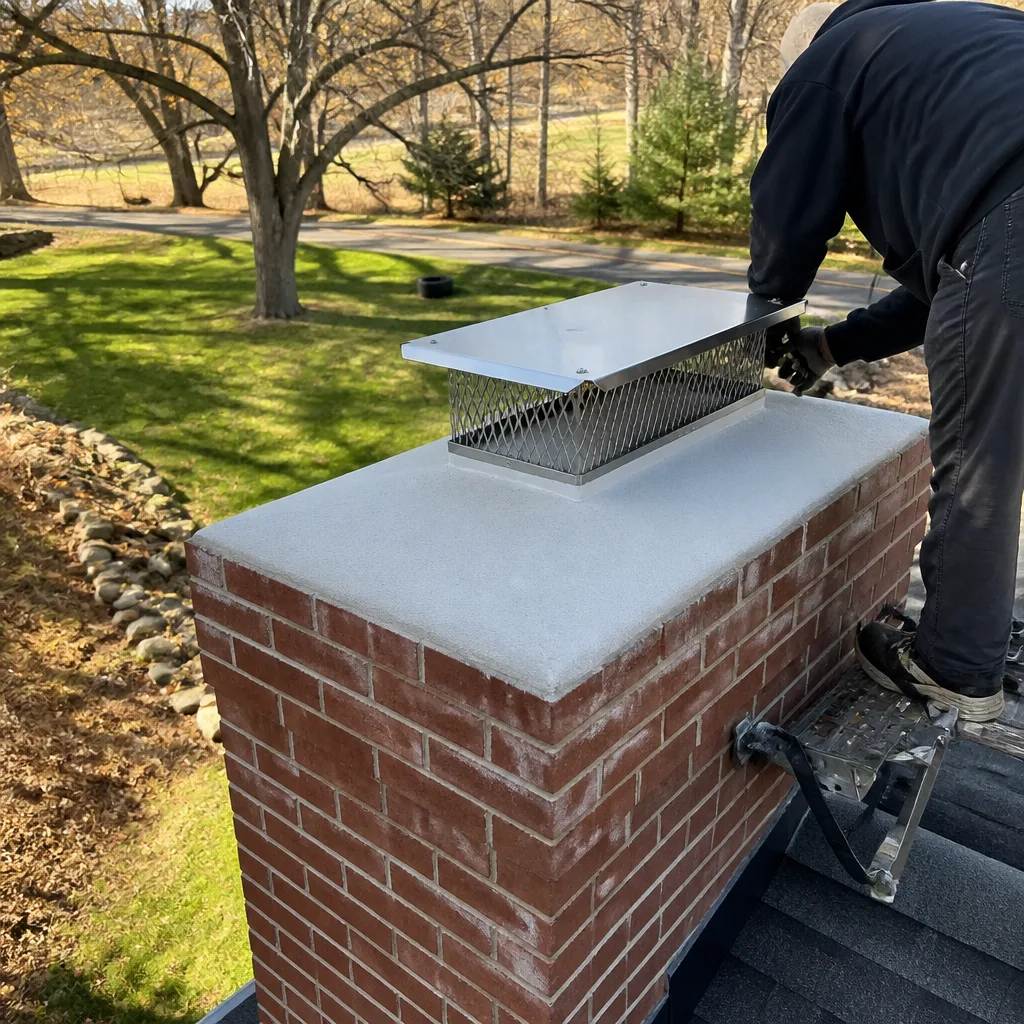 After
AfterChimney Cleaning & Sweep Maintenance Checklist for Lynchburg Homeowners
September is the worst month to schedule a chimney cleaning in Lynchburg. Every sweep from Madison Heights to Timberlake is booked solid because everyone waited until the first cold snap. The homeowners who never scramble figured out something simple: the real maintenance window opens in March, when frost lifts, creosote from winter burning is fresh and accessible, and you can actually get an appointment within the week. Our Complete Guide to Chimney Cleaning in Lynchburg gives you a month-by-month checklist built around Lynchburg’s actual frost dates, storm season, and heating patterns - not a generic national template that ignores Virginia’s clay soil, our freeze-thaw cycles, and the fact that many of our neighborhoods sit on steep grades where water runs toward, not away from, the foundation.
Quick Answer
A complete chimney maintenance checklist for Lynchburg homeowners includes monthly visual checks of the firebox and damper, seasonal debris removal and cap inspection, annual Chimney Cleaning & Sweep before heating season, and bi-annual structural assessment of the crown, flashing, and exterior masonry. In Lynchburg’s climate, the critical window for professional service is March through August, before fall demand peaks and after winter’s freeze-thaw damage becomes visible.
Table of Contents
- Why Generic Checklists Fail Lynchburg Homeowners
- The Lynchburg Maintenance Calendar: Month by Month
- Homeowner Checks vs. Sweep-Only Assessments
- Warranty, Insurance, and Documentation in Virginia
- The 48-Hour Post-Service Verification
- Common Mistakes to Avoid
- When to Call a Professional
- Frequently Asked Questions
Why Generic Checklists Fail Lynchburg Homeowners
Most chimney checklists you find online are written for a theoretical “average” climate. They don’t account for Lynchburg’s specific conditions: our average 15 freeze-thaw cycles per winter that fracture mortar joints, our clay-heavy soils that shift and settle differently than rocky New England ground, our position in the James River watershed where spring storms drive water hard against chimney exteriors, or our oak and hickory-heavy woodpiles that burn hotter and produce different creosote patterns than the softwood forests of the Pacific Northwest.
In the Chimney Cleaning & Sweep in Lynchburg work we’ve done since 1984, we’ve seen the same pattern repeat: a homeowner follows a generic checklist, misses something specific to our region, and calls us in October with a blocked flue or a leaking crown that could have been caught in April. The checklist below is organized around what actually happens to chimneys in Lynchburg, from the Boonsboro hills to the Rivermont terraces.
Three factors make our local context different enough to matter:
- Freeze-thaw masonry damage: Lynchburg averages 90 nights below freezing. Water enters hairline cracks, expands, and widens them. By March, the damage is visible if you know where to look.
- Clay soil settlement: Our soils expand when wet and contract when dry. Chimneys on older homes in neighborhoods like Diamond Hill or Garland Hill often show separation from the house body as a result.
- Hardwood creosote: Central Virginia’s oak, hickory, and black locust burn hot and slow. The creosote they produce is denser and more adhesive than softwood residue, requiring different removal technique and more frequent monitoring.
The Lynchburg Maintenance Calendar: Month by Month
This calendar assumes you’re heating with wood or a wood insert through the typical Lynchburg heating season, roughly mid-October through mid-April. If you burn gas exclusively, adjust frequencies downward but don’t eliminate structural checks.
March: The Critical Inspection Window
Schedule your annual Level-2 inspection now, not in September. Here’s why: the creosote from winter burning is still fresh and hasn’t hardened into glazed deposits that require more aggressive removal. Masonry damage from freeze-thaw is freshly visible before spring rains wash evidence away. And every reputable sweep in the region has availability.
Your March checklist:
- Book a professional inspection and sweep. Ask for photos of the flue interior, smoke chamber, and firebox.
- Walk the exterior with binoculars. Look for missing or spalling bricks, deteriorated mortar, and crown cracks.
- Check the chimney cap and spark arrestor for winter damage. Lynchburg’s March windstorms can dislodge poorly secured caps.
- Document everything with dated photos. Store them where you’ll find them next year.
April: Water Management and Masonry Repair
April showers in Lynchburg are not gentle. The National Weather Service records average precipitation of 3.5 inches, and our clay soils shed water toward foundations rather than absorbing it. This is when chimney leaks reveal themselves.
Your April checklist:
- Inspect attic and ceiling areas adjacent to the chimney for water staining.
- Verify flashing integrity where the chimney meets the roof plane. Lifted or corroded flashing is the number one leak source we find in Chimney Repair in Lynchburg calls.
- Schedule masonry repairs identified in March before summer humidity complicates curing.
- Consider a crown seal if cracks were found. We use HeatShield crown coating systems when the damage hasn’t progressed to full rebuild.
May Through August: Off-Season Maintenance
The quiet months are for major work. If your March inspection revealed liner degradation, crown failure, or need for a cap replacement, now is when to schedule it. Technicians aren’t rushing between emergency calls, materials cure properly in warm dry conditions, and you’ll have your pick of appointment times.
Summer tasks:
- Replace deteriorated chimney caps before fall. We install Gelco and Olympia Chimney caps with stainless steel mesh that withstands our wind and pollen loads.
- Address liner issues. DuraFlex stainless steel liners carry lifetime warranties when properly installed, but they must be sized correctly for your appliance.
- Repair or repoint masonry. Mortar cures best in temperatures between 50 and 80 degrees with low humidity.
- Clear vegetation. Lynchburg’s growing season is aggressive; branches within 10 feet of the chimney top are a fire hazard and can obstruct draft.
September: Final Verification (Not First Contact)
If you’ve followed the calendar, September is confirmation, not panic. Verify that summer repairs were completed correctly. Check that your wood supply is seasoned (split, stacked, covered, for at least 12 months - oak needs 24). Test your smoke and CO detectors.
Do not try to book a sweep in September unless you enjoy being told “three weeks out, minimum.”
October: Pre-Burning Season Setup
First fire of the season checklist:
- Open the damper fully. Verify it seats properly when closed.
- Check for animal nesting. Squirrels and chimney swifts are active in Lynchburg’s mature tree canopy.
- Inspect the firebox for cracks or missing mortar that developed over summer.
- Have seasoned kindling and small splits ready. A cold start with large, unseasoned wood creates maximum creosote.
November Through February: Active Burning Monitoring
During heating season, your job is observation, not intervention.
- Monthly: Check the damper operation. Stiffness or noise indicates creosote buildup on the hinge or throat.
- Monthly: Look up the flue from the firebox with a flashlight. Shiny black glaze indicates stage-three creosote that needs professional attention.
- After every major storm: Verify cap and flashing integrity from the ground.
- Anytime: Note unusual odors, smoke spillage into the room, or changes in draft performance. Document with dates.
Homeowner Checks vs. Sweep-Only Assessments
There’s a clear line between what you can safely assess and what requires trained eyes, proper equipment, and insurance. Crossing it doesn’t save money. We’ve responded to calls where a homeowner fell through a compromised roof or dislodged a liner trying to “take a quick look.”
Homeowner-observable conditions (no tools beyond flashlight and binoculars):
- Damper operation: opens fully, closes completely, no binding or excessive noise
- Firebox integrity: visible cracks in refractory panels, missing mortar between bricks
- Smoke shelf and throat: visible debris accumulation (use flashlight, don’t reach)
- Exterior masonry: spalling, cracking, or displaced bricks visible from ground or ladder
- Cap and flashing: secure attachment, no visible gaps, no rust-through on metal components
- Interior signs of water: staining on firebox walls, efflorescence (white powder) on masonry
Sweep-only assessments (requires training, equipment, and proper PPE):
- Flue liner interior condition: cracks, gaps, deterioration, proper sizing - assessed with video camera
- Smoke chamber parging: the sloped area above the damper is where most chimney fires start, and it’s not visible to the homeowner
- Creosote type and volume: stage one (flakey), stage two (tar-like), or stage three (glazed, hardened) determines removal method
- Clearance to combustibles: the hidden spaces between chimney structure and framing
- Combustion analysis: for gas appliances, proper fuel-air mixture and venting performance
- Structural stability: foundation settlement, chimney lean, internal deterioration
In our Fireplace Services in Lynchburg work, we document every Level-2 inspection with photos you can see and a plain-English verdict. The photos aren’t for show. They’re so you understand why we’re recommending what we’re recommending, and so you have a dated record of condition for warranty and insurance purposes.
Warranty, Insurance, and Documentation in Virginia
Here’s something competitors rarely explain: your actions as a homeowner can void coverage you didn’t know you had, or create coverage gaps you assumed were filled.
Manufacturer warranties on chimney liners, inserts, and factory-built fireplaces typically require annual professional inspection and cleaning by a certified technician. Save every invoice. The warranty claim we see most often denied is for liner failure where the homeowner has no record of professional maintenance. DuraFlex stainless steel liners carry strong warranties, but they’re conditional on documented annual service.
Homeowner’s insurance in Virginia operates under contributory negligence principles. If an insurer can demonstrate that you failed to maintain the chimney reasonably, they may reduce or deny a fire claim. “Reasonable maintenance” in Virginia case law has been interpreted to include annual inspection for actively used wood-burning systems.
Documentation that protects you:
- Professional inspection reports with photos, dated annually
- Your own dated photos of observable conditions (monthly during heating season is ideal)
- Records of fuel source (seasoned wood receipts, gas service records)
- Notes on any changes in performance: dates, symptoms, actions taken
We recommend a simple system: a dedicated folder, physical or digital, with subfolders by year. When you call us with a concern, having this history lets us identify patterns faster. A liner that deteriorated gradually over five years tells a different story than one that failed catastrophically in one.
The 48-Hour Post-Service Verification
After any chimney service - sweep, repair, or installation - you should verify three things within 48 hours while the work is fresh and the technician is still accountable.
- Visual confirmation of access and cleanup: The work area should be clean. For a sweep, there should be evidence of soot and debris removal (the smell of creosote, a small amount of residue in the vacuum canister if you ask to see it). For repairs, new materials should match what was specified. We use professional-grade materials from DuraFlex, HeatShield, Gelco, and Olympia Chimney - if you were told you were getting one of these, confirm the branding on invoices or packaging remnants.
- Damper and operational test: Open and close the damper several times. It should move smoothly through its full range. Light a small test fire with newspaper and kindling. Smoke should draft upward immediately, not linger or spill into the room. Any reversal indicates a blockage or draft problem that wasn’t addressed.
- Documentation completeness: You should receive a written report with photos, a description of work performed, and any recommendations with priority levels. At Hearthstone, this is non-negotiable. If a sweep leaves with “you’re all set” and no paperwork, you have no warranty protection and no baseline for next year’s comparison.
If anything feels off, call within 48 hours. A reputable company will return promptly. Our Hearthstone Chimney Co. home page lists our live-answer line, and we stand behind our 90-Day Done Right Promise - in writing, no arguing.
Common Mistakes to Avoid
- Waiting for September to book. In Lynchburg, the first week of October typically brings the first night below 40 degrees. Every homeowner with a fireplace remembers simultaneously. March through August is when good sweeps have time to do thorough work.
- Assuming gas fireplaces need no maintenance. Gas systems don’t produce creosote, but they do produce moisture and corrosive condensation. Their liners deteriorate differently, and their vents can be obstructed by animal nesting or debris. Annual inspection is still warranted.
- Using unseasoned wood “just this once.” One load of green oak can produce enough glazed creosote to require mechanical removal. In Lynchburg’s oak-heavy wood markets, “seasoned” often means six months, not twelve. Buy early, stack covered, and wait.
- Ignoring the chimney cap. A missing or damaged cap is an open invitation for water, animals, and debris. In neighborhoods like Peakland or Wyndhurst with mature tree canopy, leaf litter alone can block a flue in a single autumn.
- DIY creosote removal with chemical logs or brushes. Chemical logs modify creosote but don’t remove it. Homeowner brushes can’t reach the smoke chamber or properly clean liner joints. Worse, improper brushing can damage a liner or dislodge mortar into the flue.
- Failing to document. When a problem develops three years later, “I think we had it cleaned” is worthless to a warranty claim or insurance adjuster. Save every report, every photo, every invoice.
When to Call a Professional
Call a certified chimney professional immediately if you notice chimney cleaning warning signs like: smoke backing up into the room during normal operation; a strong, acrid odor from the fireplace when not in use; visible cracks in the flue liner or firebox that you can see from inside; white staining (efflorescence) or spalling on exterior masonry; a chimney lean or separation from the house body; or any evidence of animal entry (sounds, debris, odors).
For Lynchburg homeowners who want a documented baseline or have concerns about a previous contractor’s assessment, Hearthstone Chimney Co. offers free estimates in Lynchburg - call (540) 328-6986. We’ll provide a Level-2 camera inspection with photos you can see, a plain-English verdict, and no-hassle upfront pricing. The number on the estimate is the number on the invoice. Most jobs are completed in a single visit by background-checked, uniformed technicians.
Frequently Asked Questions
A standard Level-1 chimney sweep in Lynchburg typically runs between $150 and $250, while a Level-2 inspection with camera evaluation ranges from $250 to $400 depending on accessibility and appliance type. Hearthstone offers an $89 Seasonal Tune-Up during off-peak months, and we provide no-hassle upfront pricing before any work begins. Call (540) 328-6986 for an exact quote - estimates are free.
The National Fire Protection Association recommends annual inspection for all chimney systems, and sweeping as needed based on creosote accumulation. For Lynchburg homeowners burning hardwoods like oak and hickory 3+ times weekly during heating season, we typically see sufficient creosote buildup to warrant annual sweeping. Occasional weekend burners may extend to every two years with inspection, but never skip the annual look. Call (540) 328-6986 to schedule - we’ll tell you honestly if this year’s buildup doesn’t yet require cleaning.
A legitimate liner recommendation should be accompanied by camera photos showing cracks, gaps, or deterioration, and an explanation of the specific hazard. In our 42 years serving this region, we’ve found that homeowners who ask this question are usually right to be skeptical of vague claims. At Hearthstone, nothing is recommended without camera evidence you can see for yourself, and we’ll plainly tell you when work can safely wait. We also offer a free second opinion on any written estimate from another company.
Skipped maintenance leads to three predictable outcomes: creosote accumulation increases chimney fire risk, which in Lynchburg’s older housing stock with balloon framing can spread rapidly; moisture intrusion degrades masonry and liner, turning minor repairs into major rebuilds; and undetected gas venting issues create carbon monoxide exposure risk. The cost of annual maintenance is a fraction of the cost of fire restoration, liner replacement, or hospitalization. Call (540) 328-6986 for a free estimate - we’ll show you exactly what condition your system is in.
Homeowners can safely perform the visual checks described in this guide, but we do not recommend DIY sweeping. The smoke chamber above the damper, where most chimney fires originate, is not accessible without proper tools and training. More critically, improper technique can damage stainless steel liners, dislodge mortar into the flue creating blockages, or miss deteriorated conditions that a camera inspection would catch. For the cost of renting equipment and the risk of injury on a roof or ladder, professional service is the sound choice.
Virginia does not mandate chimney inspection by state law, but most lenders and insurers require it as a condition of sale for homes with wood-burning appliances. Lynchburg’s older neighborhoods - particularly homes built before 1960 in areas like Diamond Hill, Garland Hill, and Federal Hill - often have unlined or deteriorated chimneys that become transaction obstacles. A pre-listing Level-2 inspection with documentation prevents last-minute negotiation surprises. Hearthstone provides written reports with photos that satisfy lender and insurer requirements.
The Bottom Line
Chimney maintenance in Lynchburg is not complicated, but it is specific. The homeowners who never face October panic or mid-winter emergencies have learned to work against the seasonal rhythm everyone else follows. They inspect in March, repair in April through August, verify in September, and monitor through winter with documented observations. They know the difference between what they can see and what requires a camera and trained judgment. And they keep records, because warranties and insurance demand it. The checklist above is built from what we’ve learned in 42 years of serving this community - not theory, but the actual patterns of what fails, when, and why in Lynchburg’s climate and housing stock. For more guides & resources, explore our blog. Done right, and we stand behind it.
Written by Russell Haines, Owner at Hearthstone Chimney Co., serving Lynchburg since 2014.